
ACL Tears in Athletes: Symptoms, Treatment Options & Recovery
November 19, 2025Expert Guidance by Dr. Deepak Mishra – Best ACL Treatment Specialist & Best Orthopedic Doctor in Faridabad
Introduction
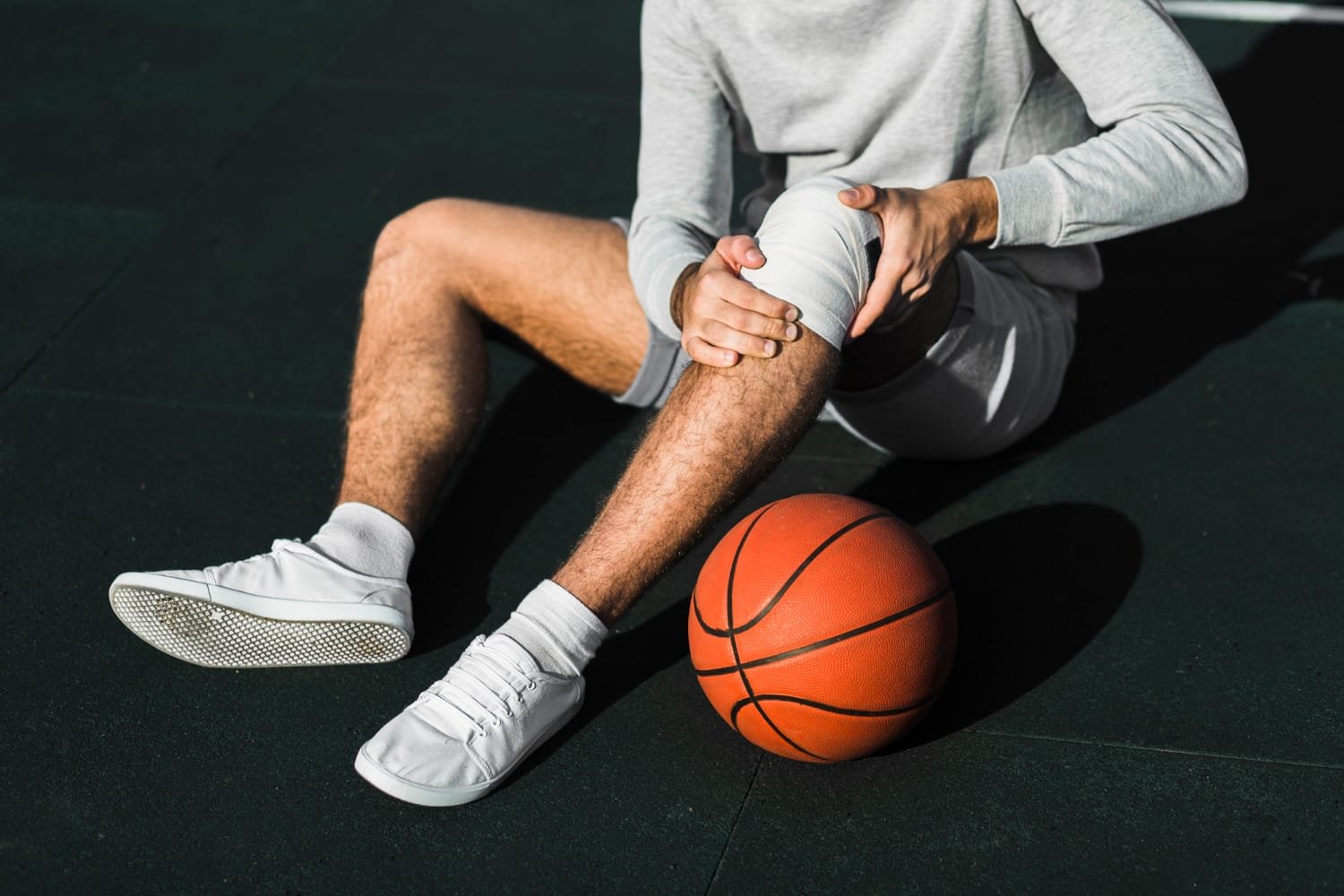
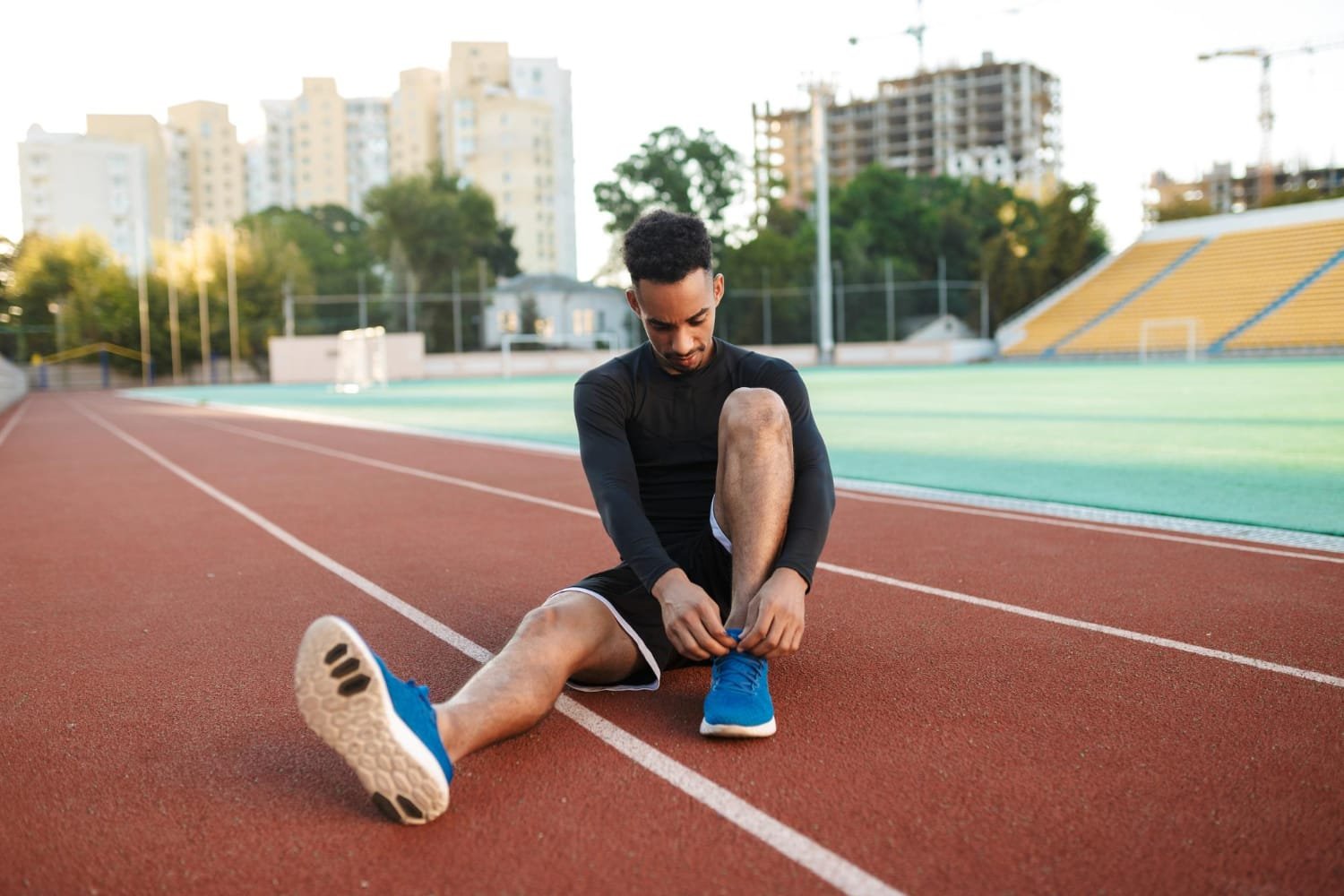
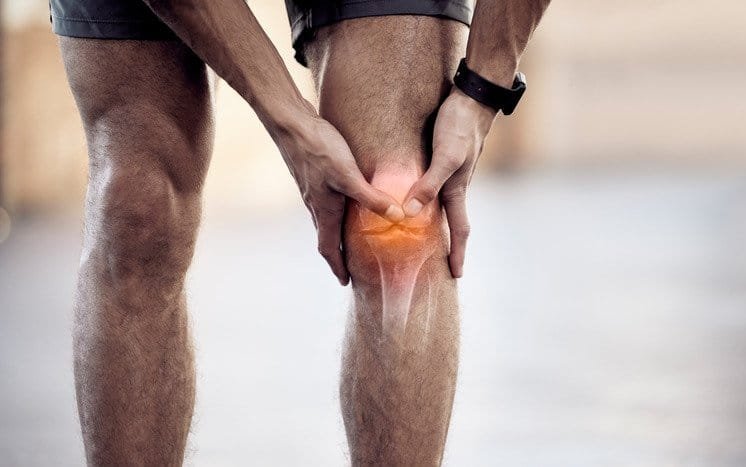
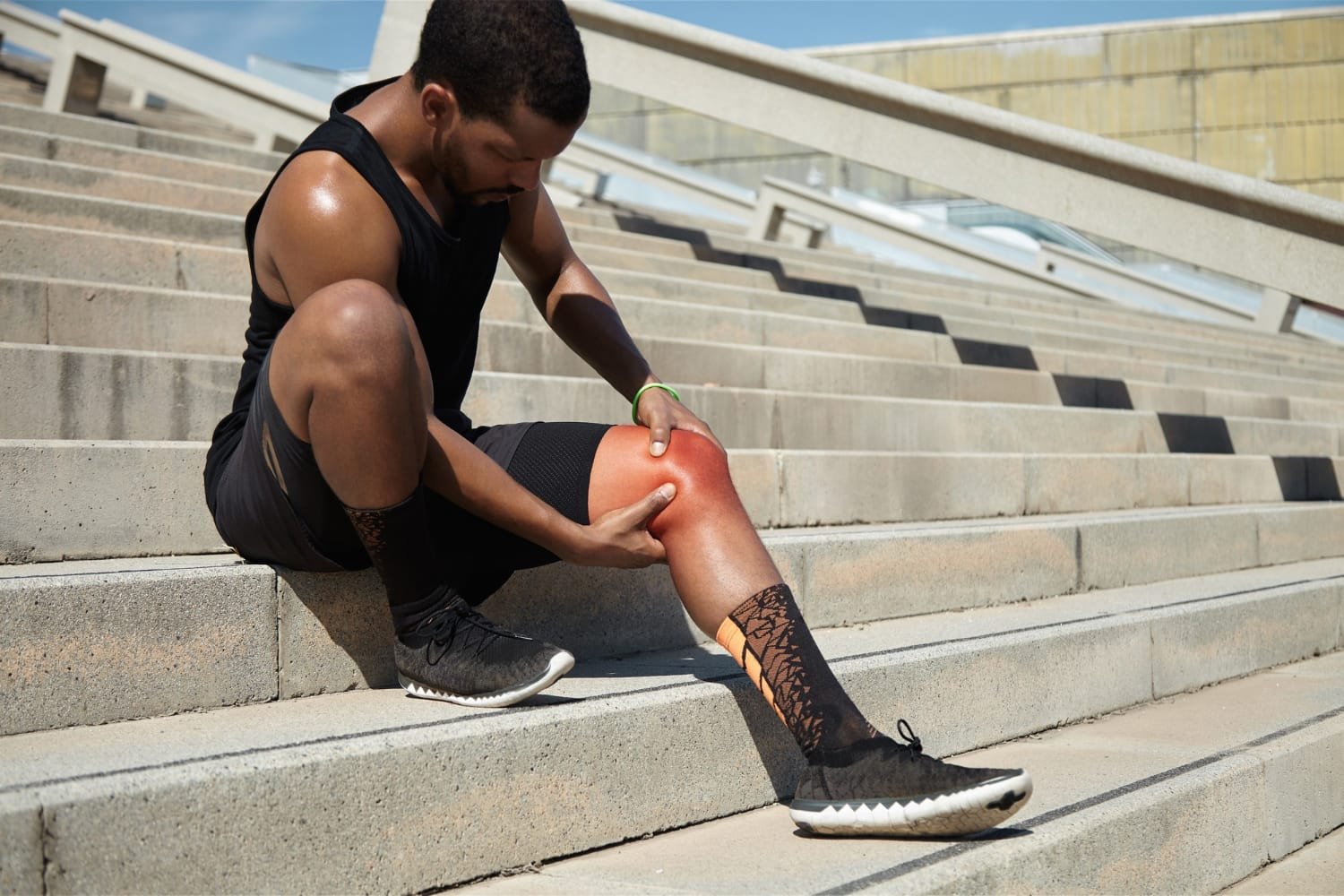
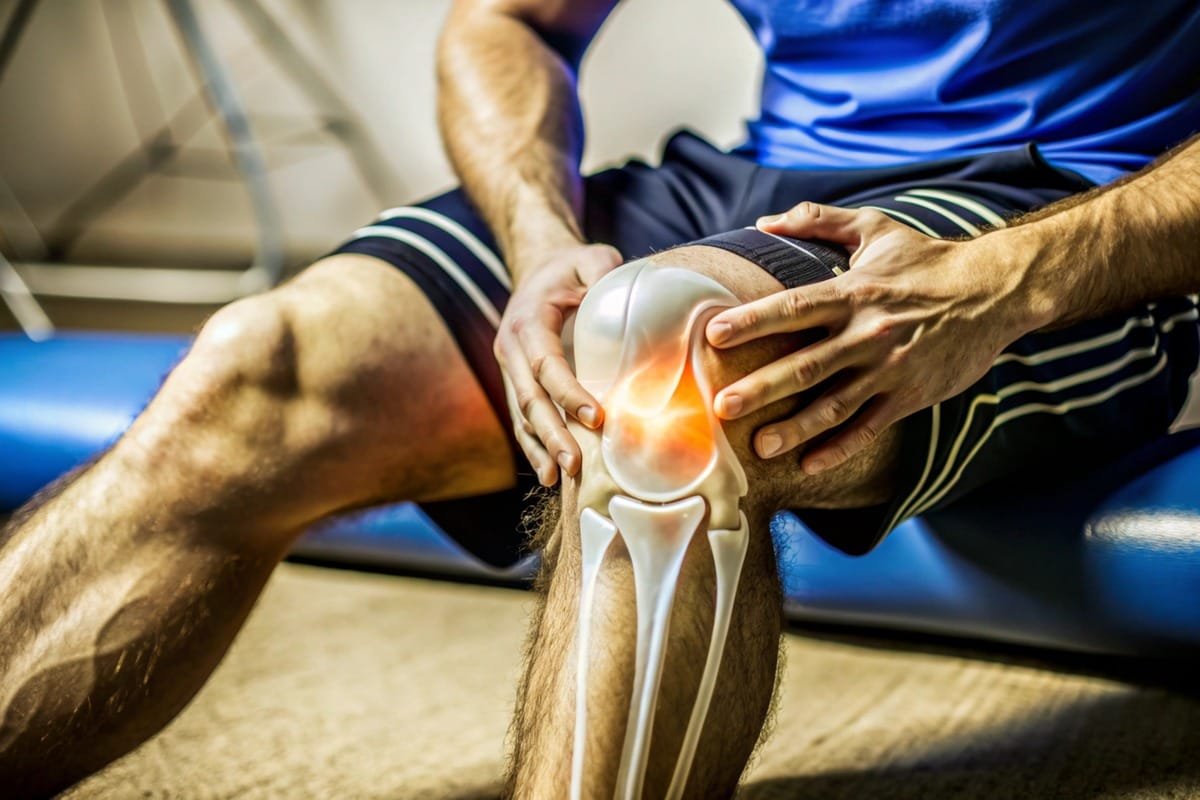
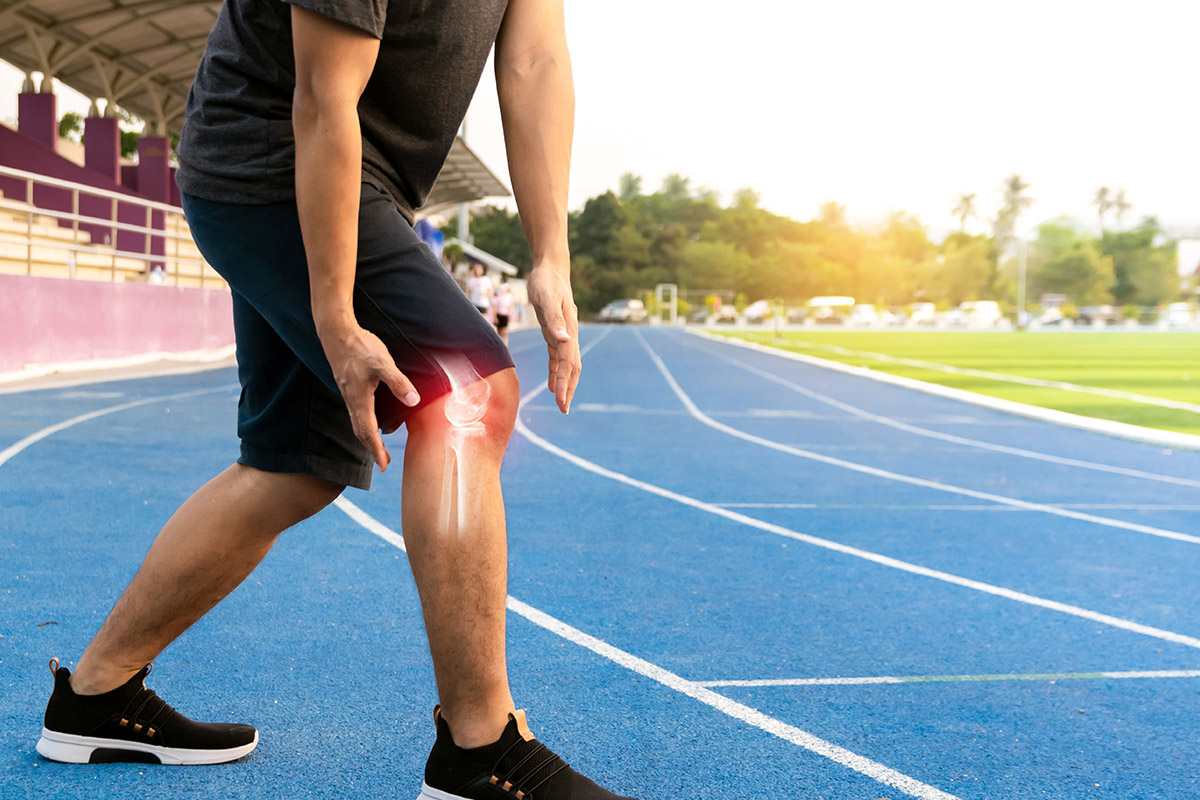
Among all sports-related knee injuries, an Anterior Cruciate Ligament (ACL) tear is one of the most common and most challenging injuries faced by athletes. Whether you play football, basketball, kabaddi, badminton, cricket, tennis or engage in high-intensity workouts, the ACL plays a crucial role in stabilizing the knee during sudden movements.
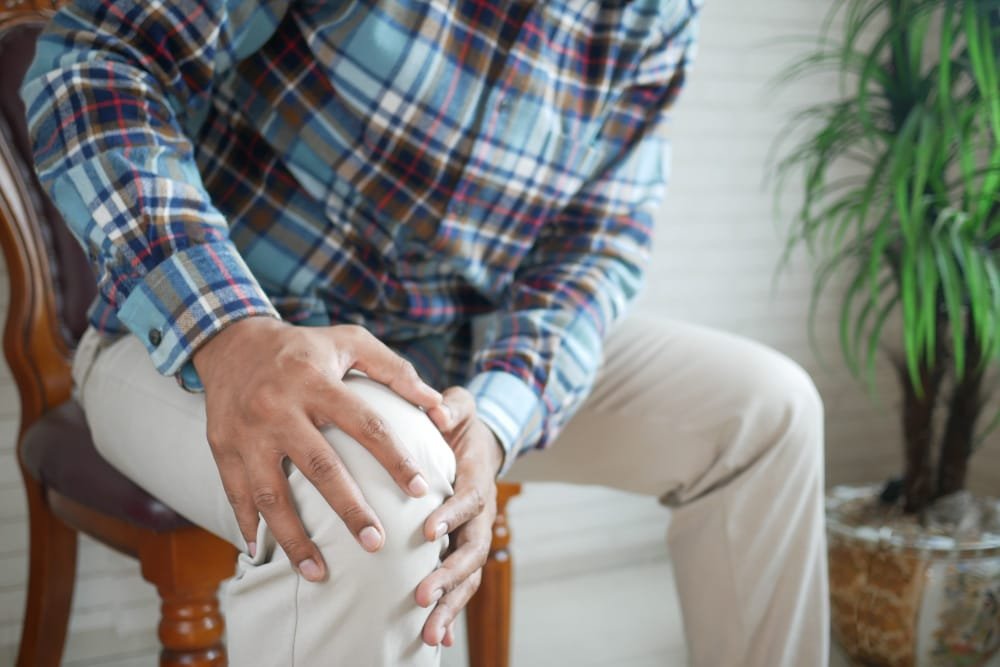
When the ACL is torn, it not only causes immediate pain and swelling but also puts an athlete’s career, mobility and long-term knee health at risk. Timely diagnosis and expert treatment are essential to ensure full recovery and to prevent future complications like meniscus damage or early osteoarthritis.
In Faridabad, athletes and active individuals trust Dr. Deepak Mishra, practising at Asian Hospital Faridabad, as the Best ACL Treatment Specialist and one of the Best Orthopedic Doctors in Faridabad for advanced knee injury management and ligament reconstruction.
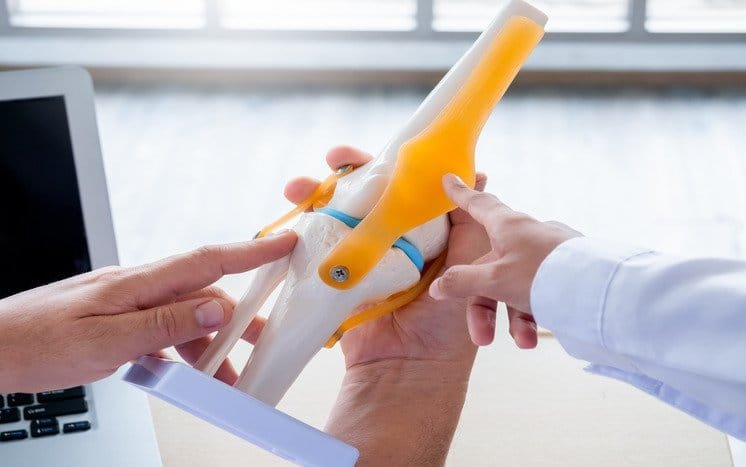
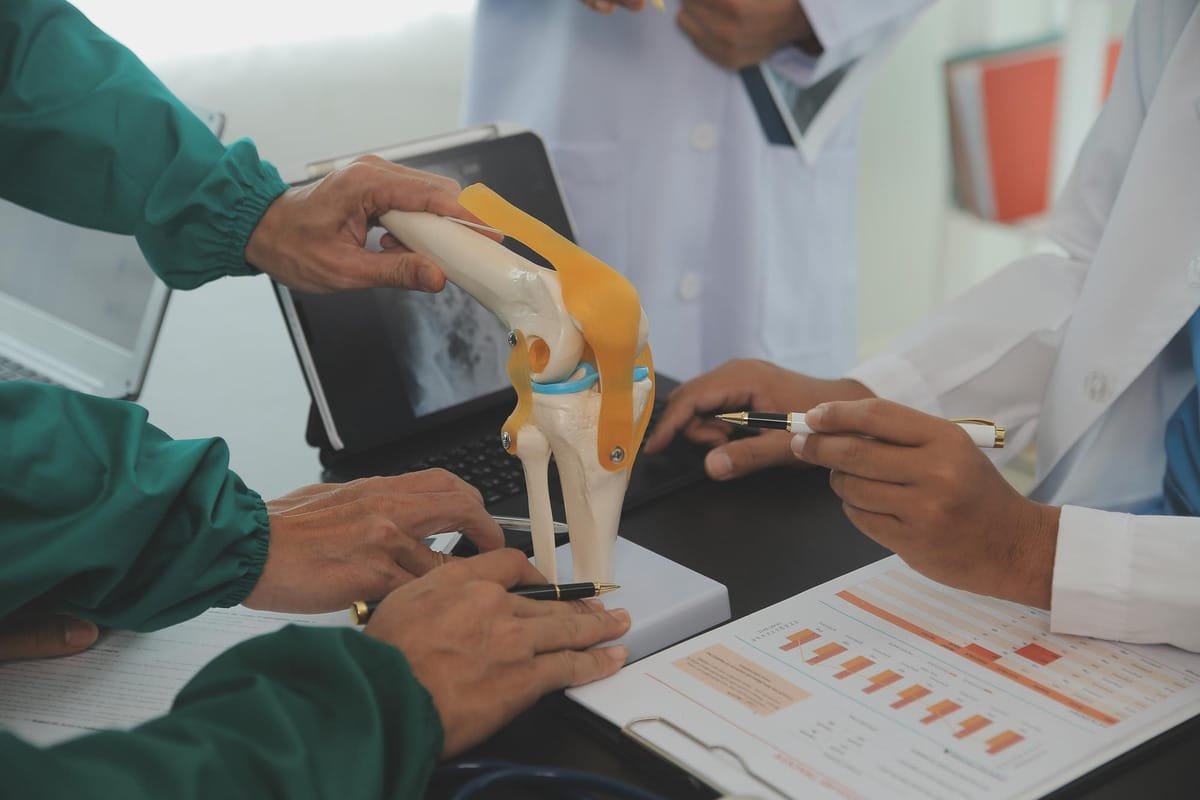
What Is the ACL and Why Is It Important?
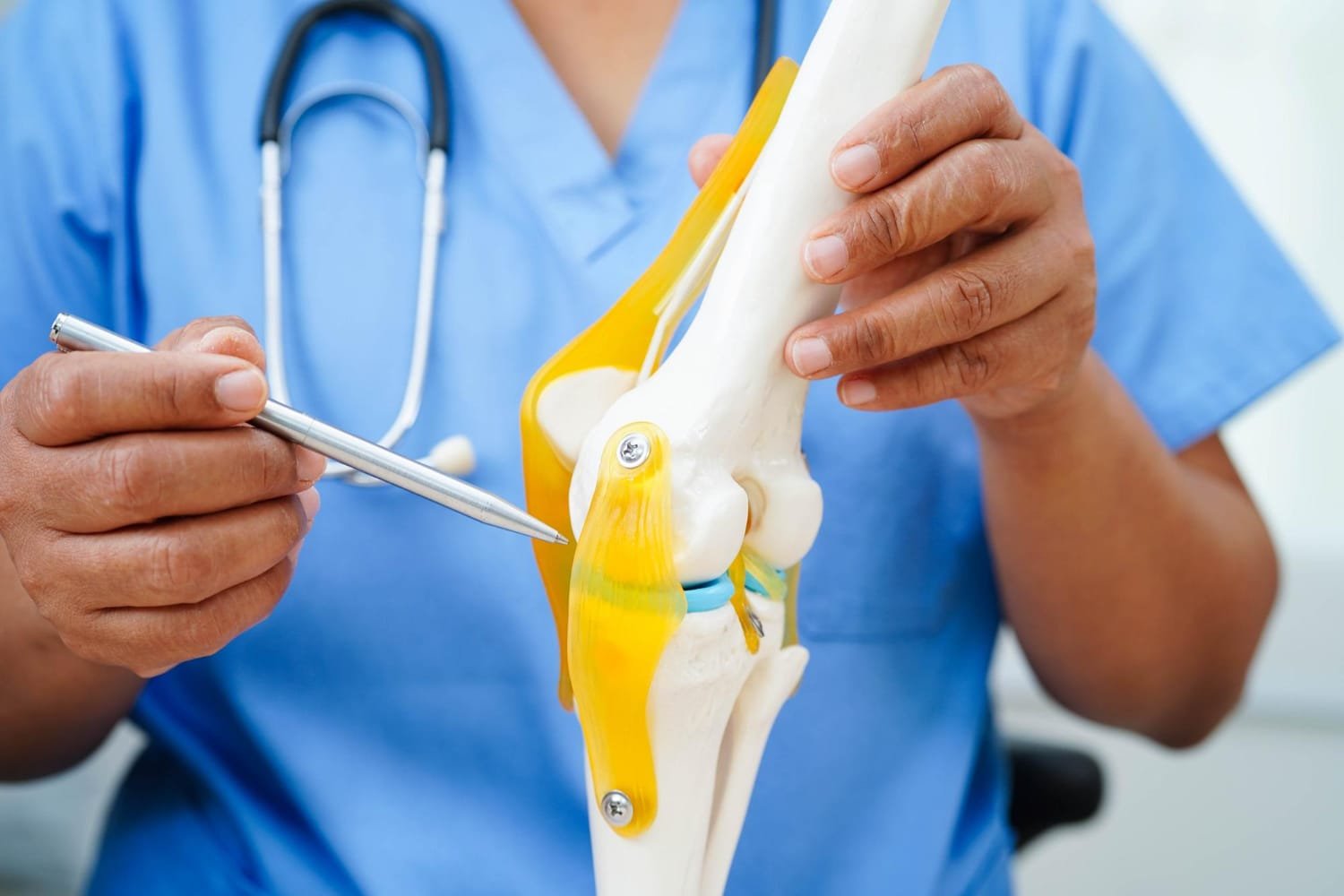
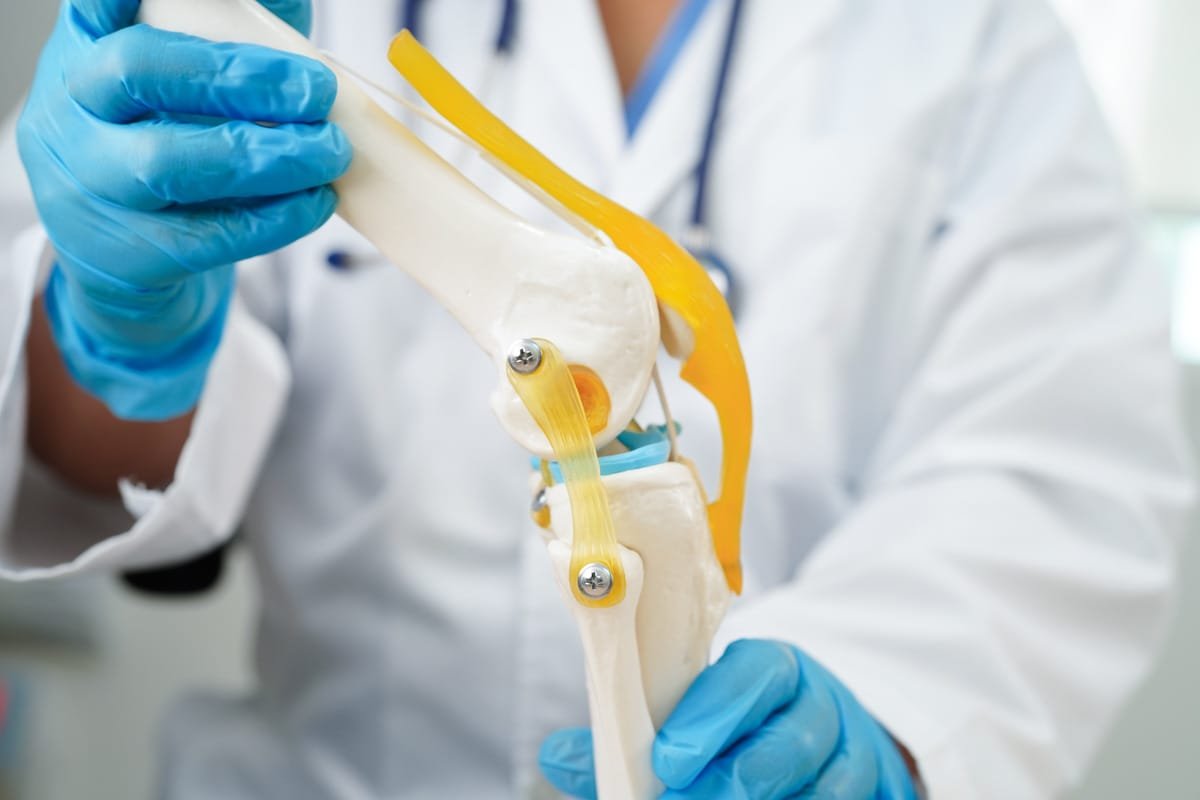
The Anterior Cruciate Ligament is one of the major stabilizing ligaments of the knee joint. It prevents excessive forward movement of the tibia (shin bone) and controls rotational stability—both crucial during:
- Jumping and landing
- Pivoting and twisting
- Sudden stops and changes in direction
- High-speed running
Athletes rely on the ACL every time they perform explosive or quick directional movements. A damaged ACL results in instability, weakness and a high risk of further injuries.
How Do ACL Tears Occur in Athletes?
ACL tears usually occur during sports that require:
- Rapid pivoting
- Sudden change of direction
- Landing awkwardly from a jump
- Sudden stops while running
- Direct tackles or collision
Common sports associated with ACL injuries include:
- Football
- Basketball
- Kabaddi
- Cricket
- Volleyball
- Badminton
- Hockey
- Gym/functional training
Often, the injury happens without any direct contact, simply from excessive twisting of the knee.
Symptoms of an ACL Tear
Athletes usually experience immediate symptoms. The most common signs include:
1. A Loud Popping Sound
Many athletes report hearing or feeling a “pop” at the moment of injury.
2. Sudden Severe Pain
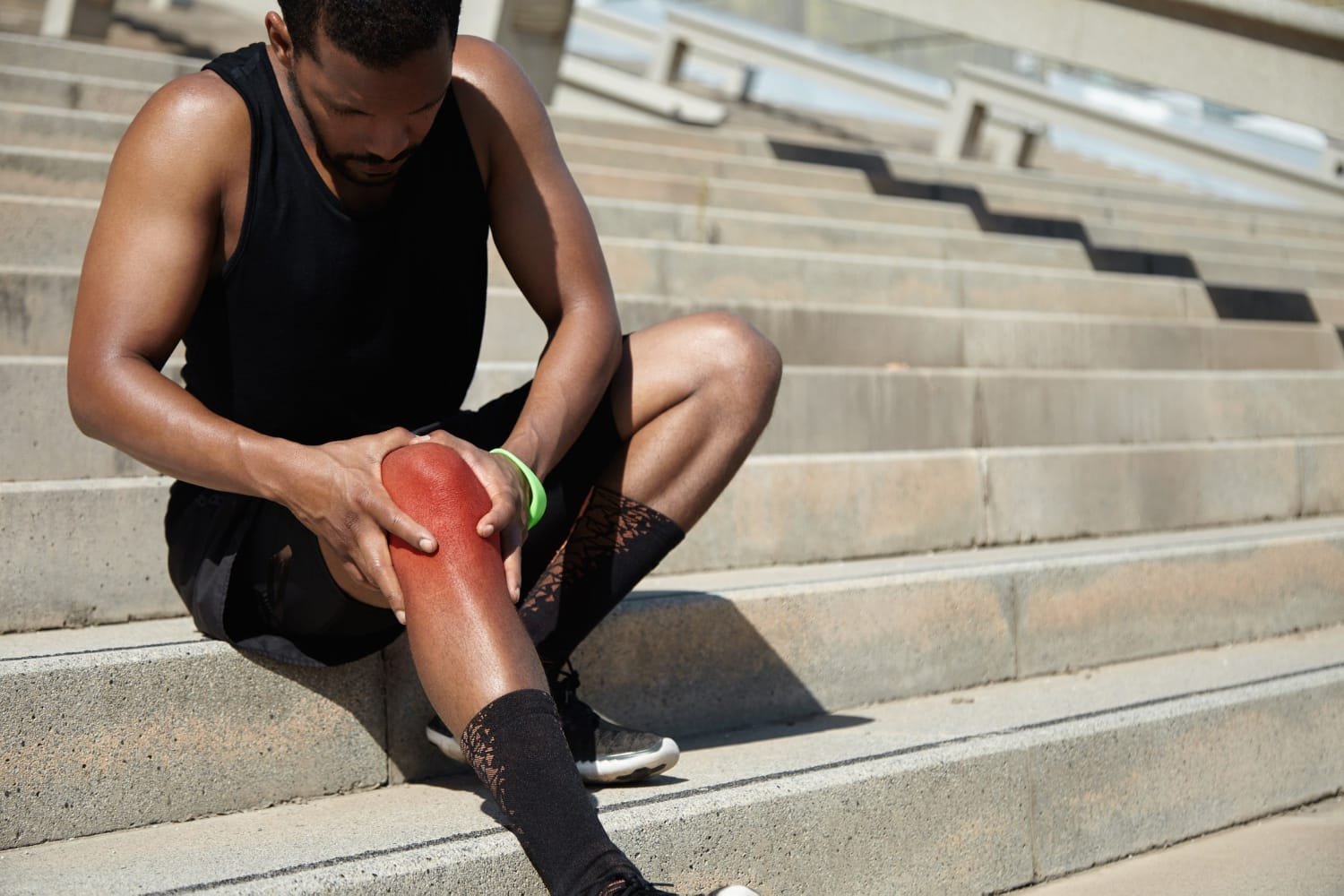
The pain appears instantly and can make standing or walking difficult.
3. Rapid Swelling
Swelling within the first few hours is a strong indicator of ligament tear or internal bleed.
4. Knee Instability
The knee might feel like it is “giving way,” especially on turning or walking on uneven surfaces.
5. Loss of Range of Motion
Difficulty in fully bending or straightening the knee is common after the injury.
6. Difficulty Bearing Weight
The knee may not support body weight due to instability and pain.
These symptoms require immediate medical evaluation to prevent worsening of the injury.
Diagnosis of ACL Tears
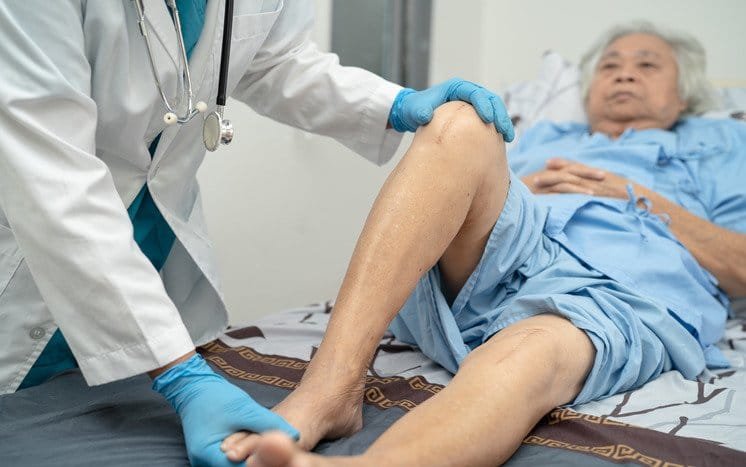
A combination of clinical examination and imaging helps confirm the injury.
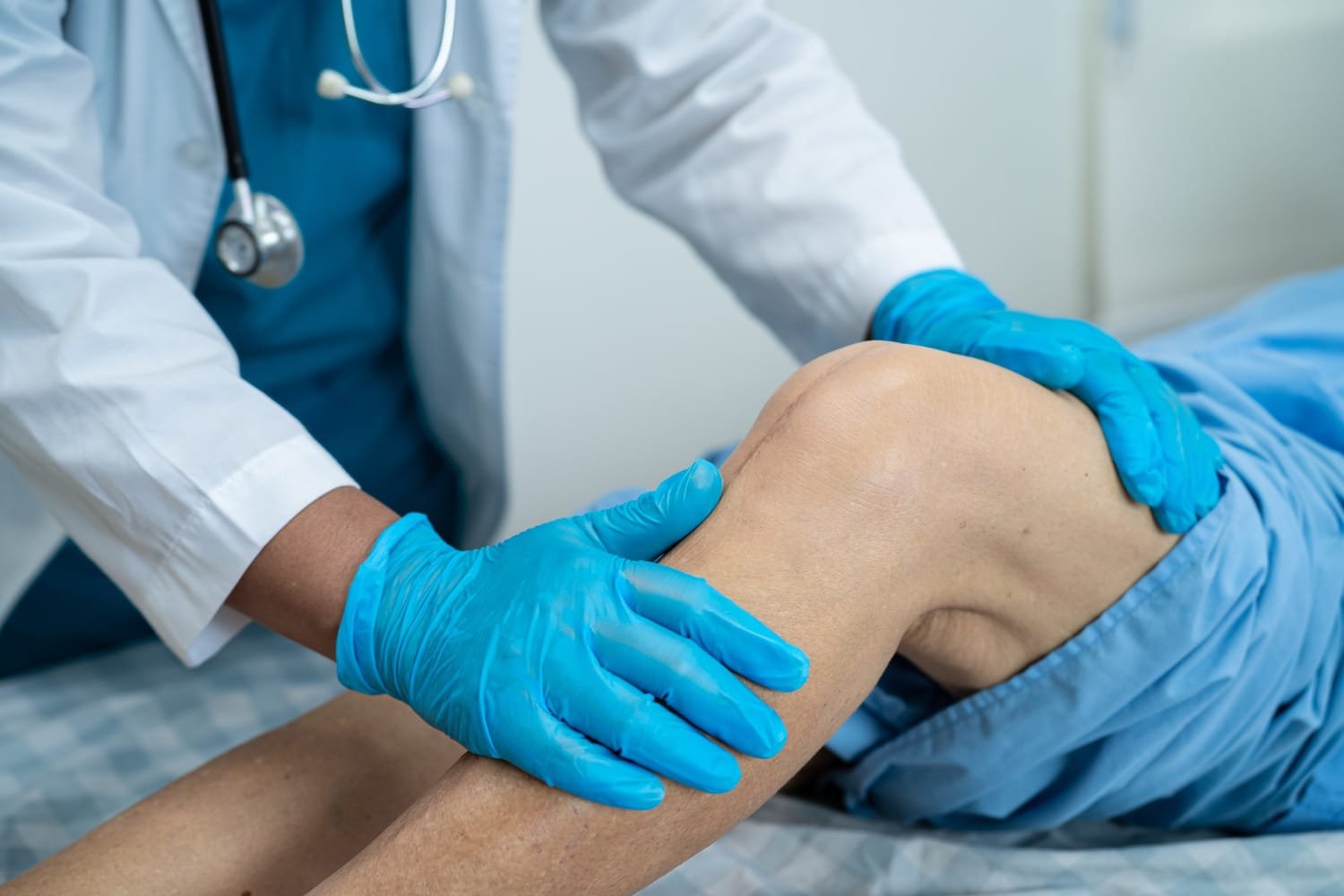
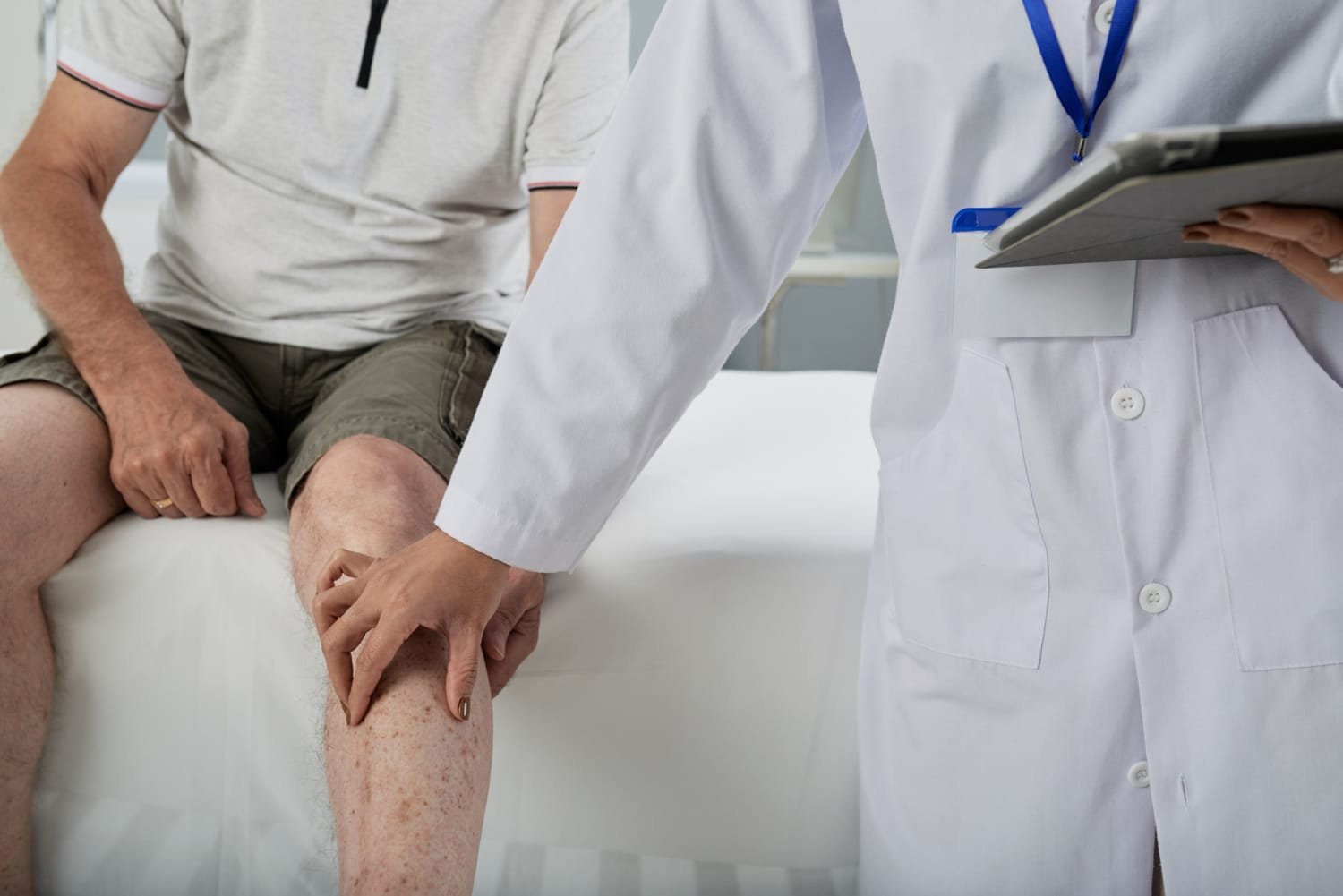
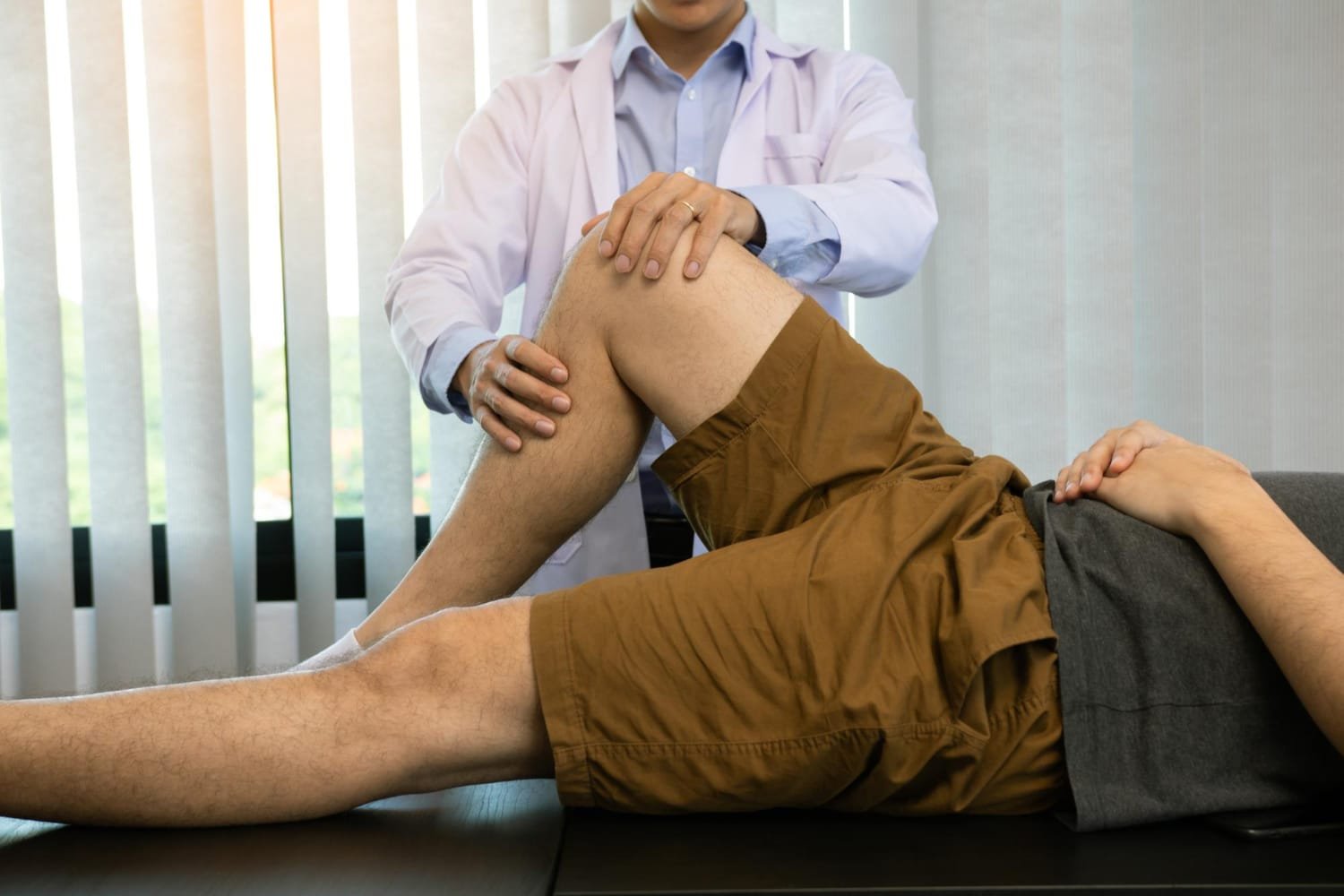
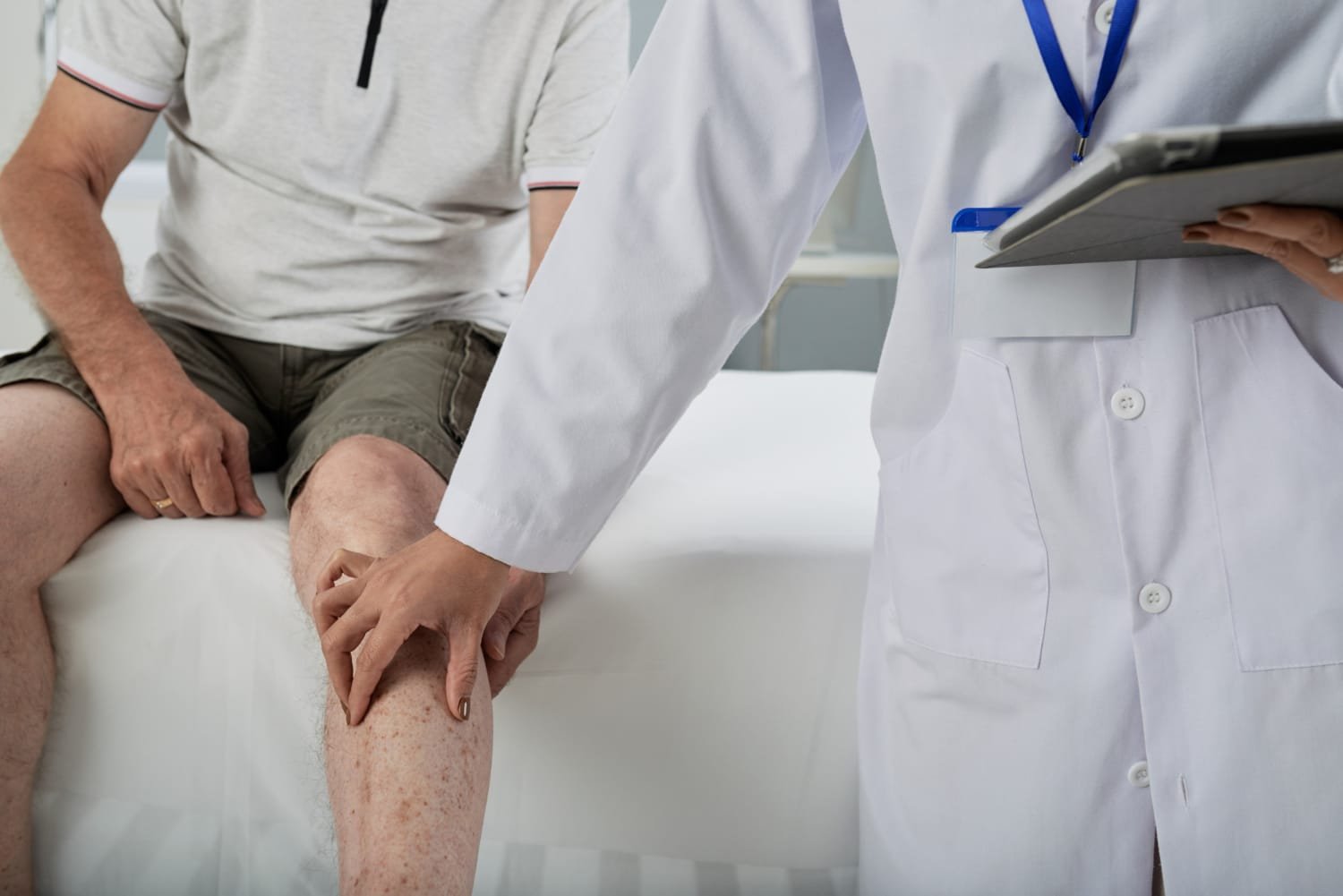
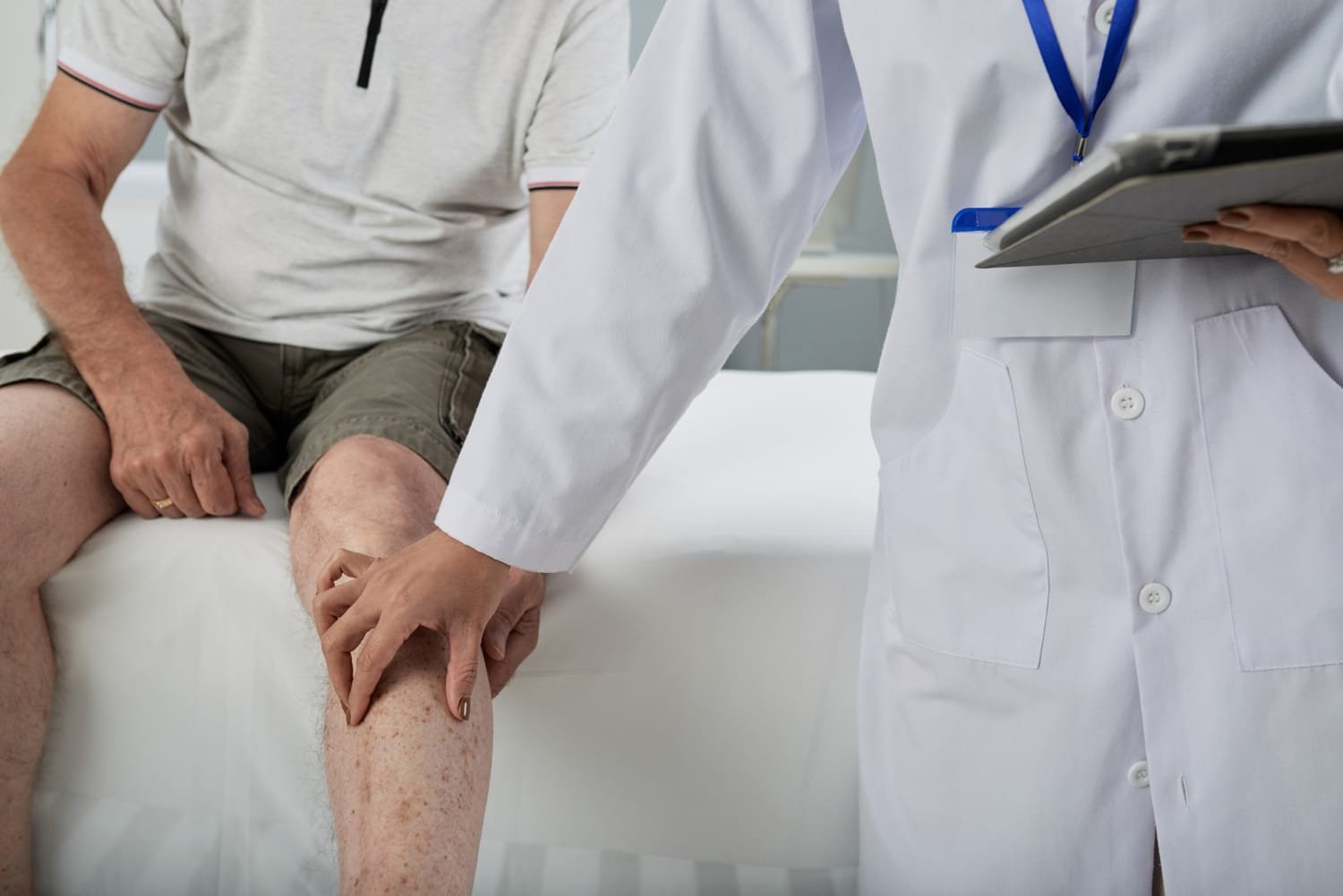
1. Physical Examination
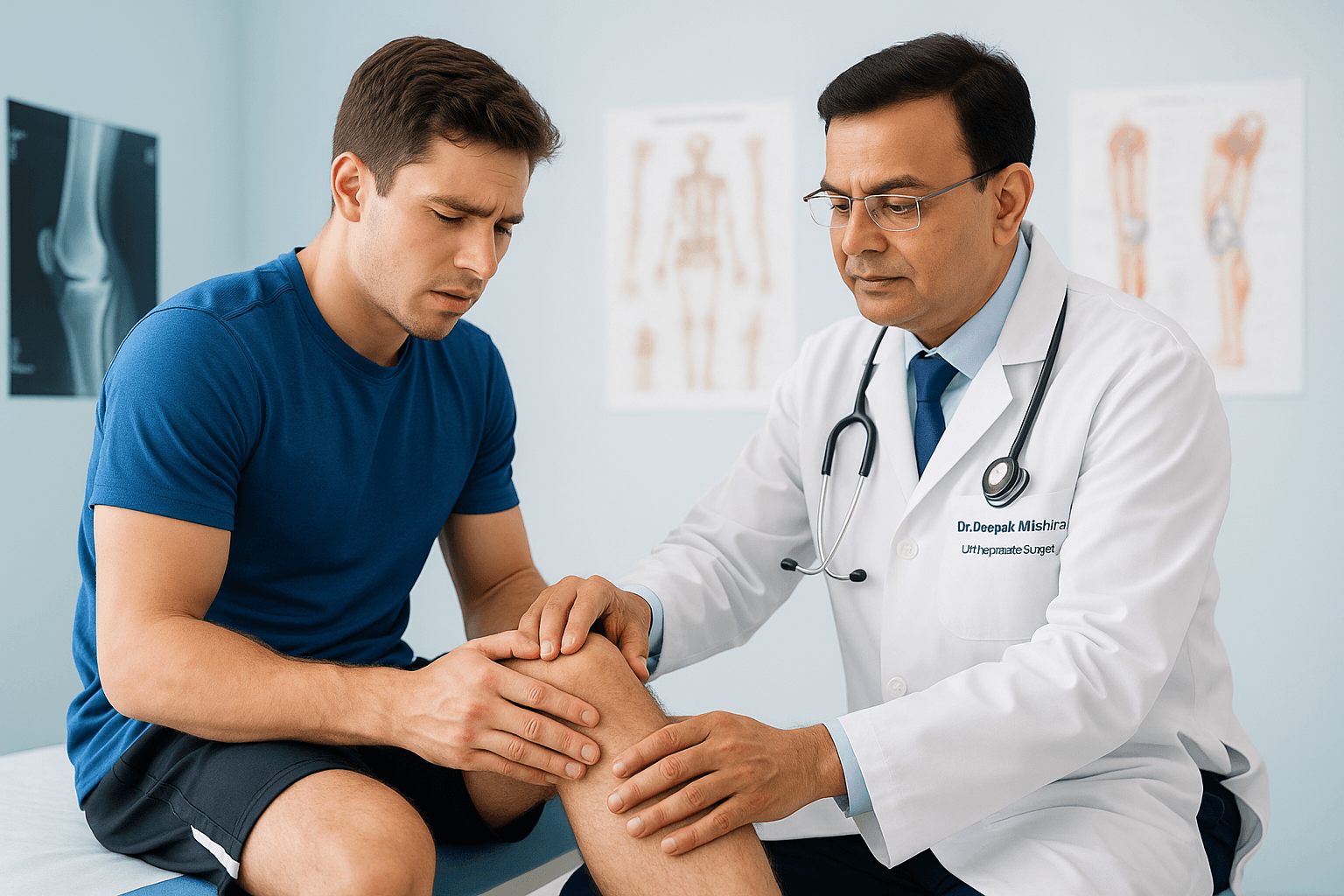
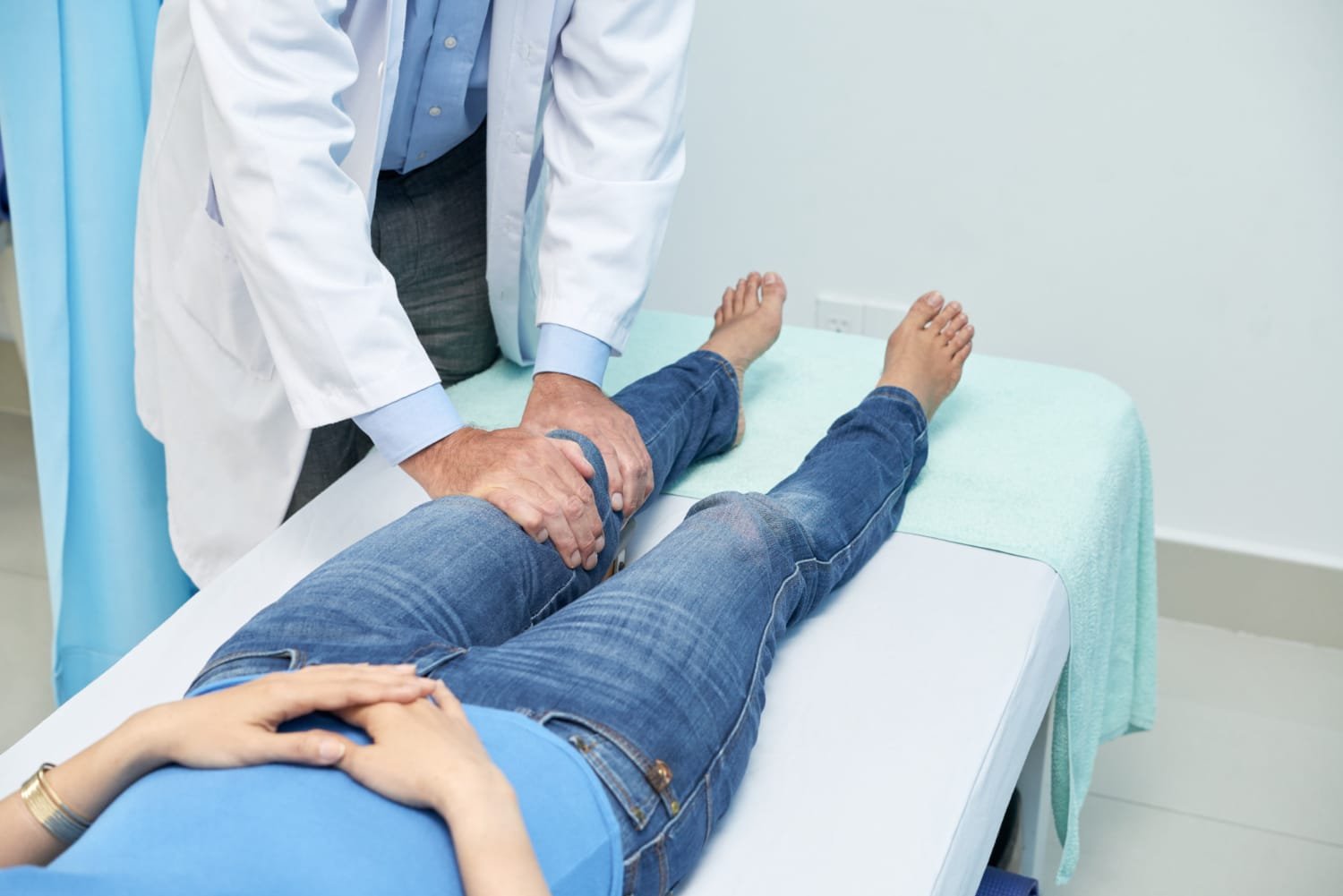
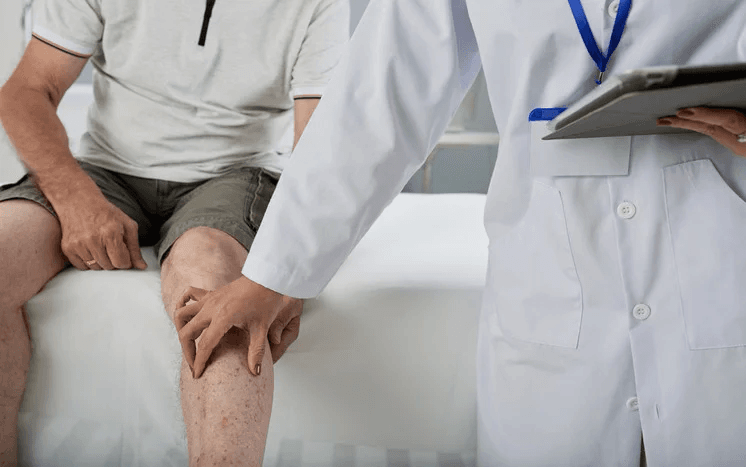
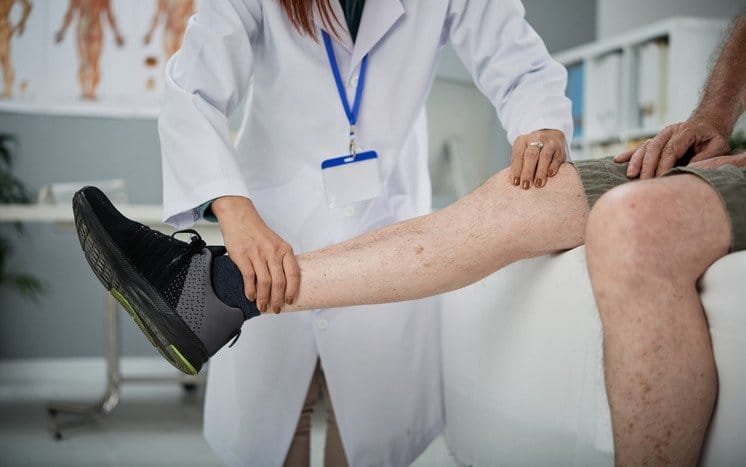
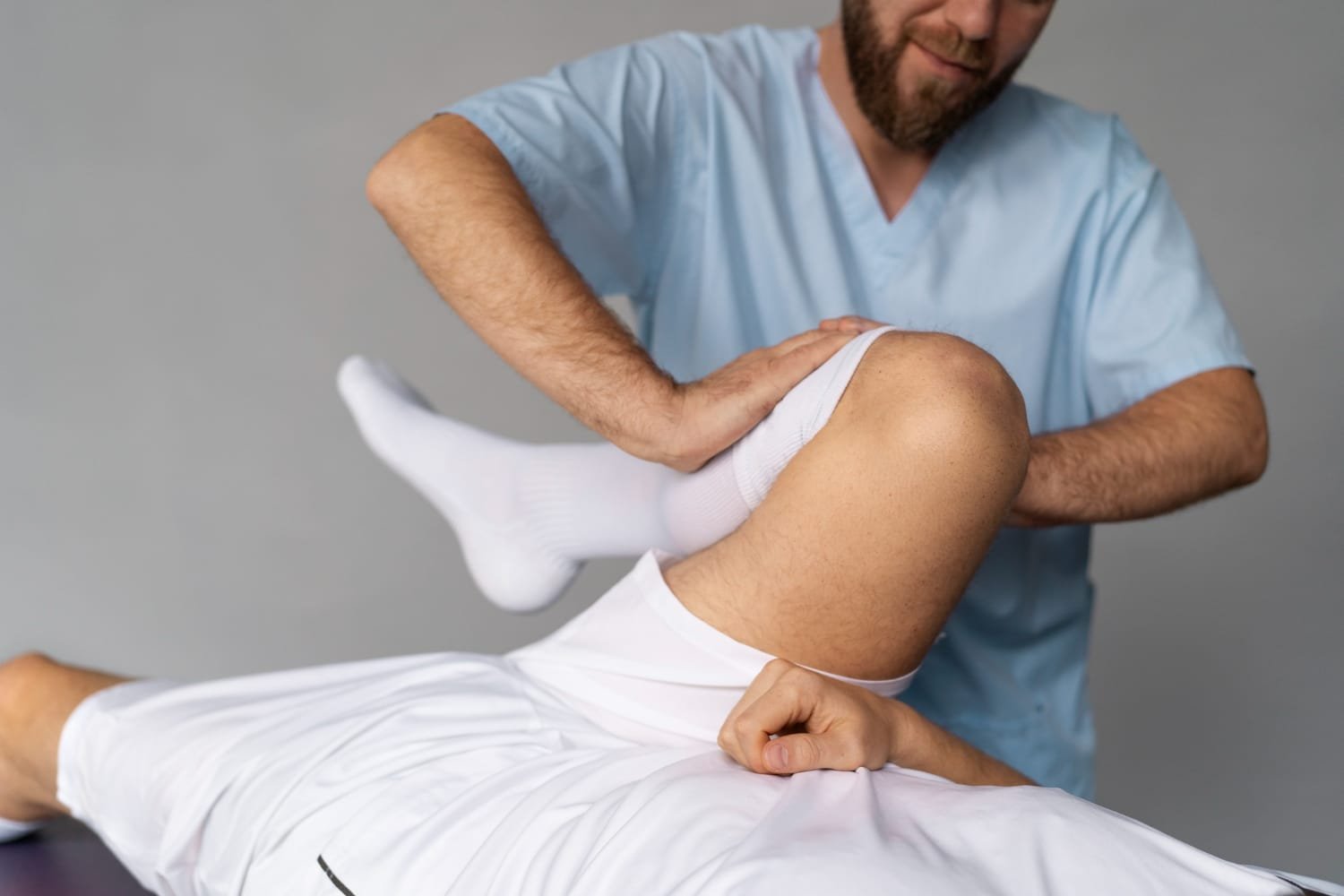
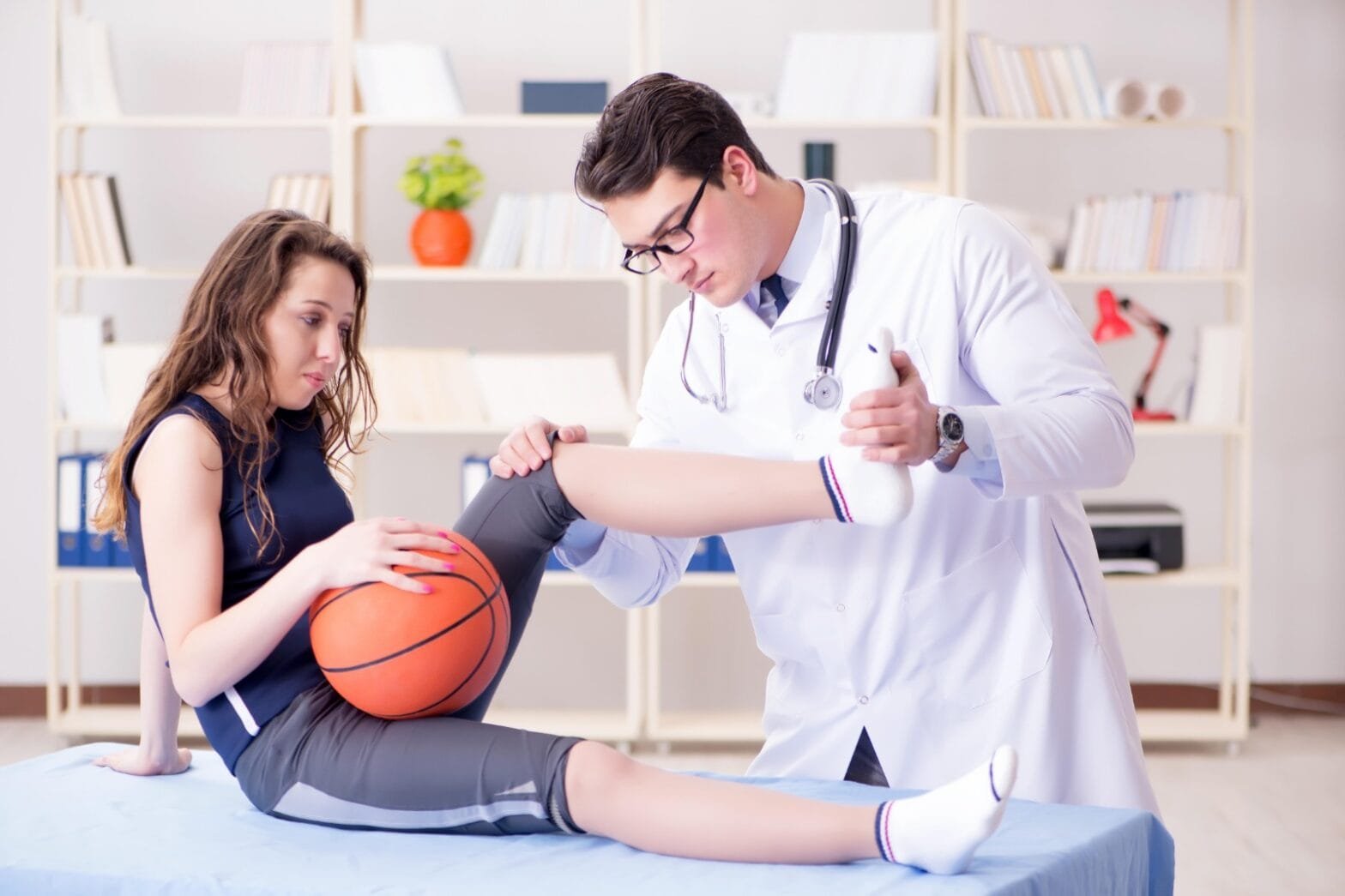
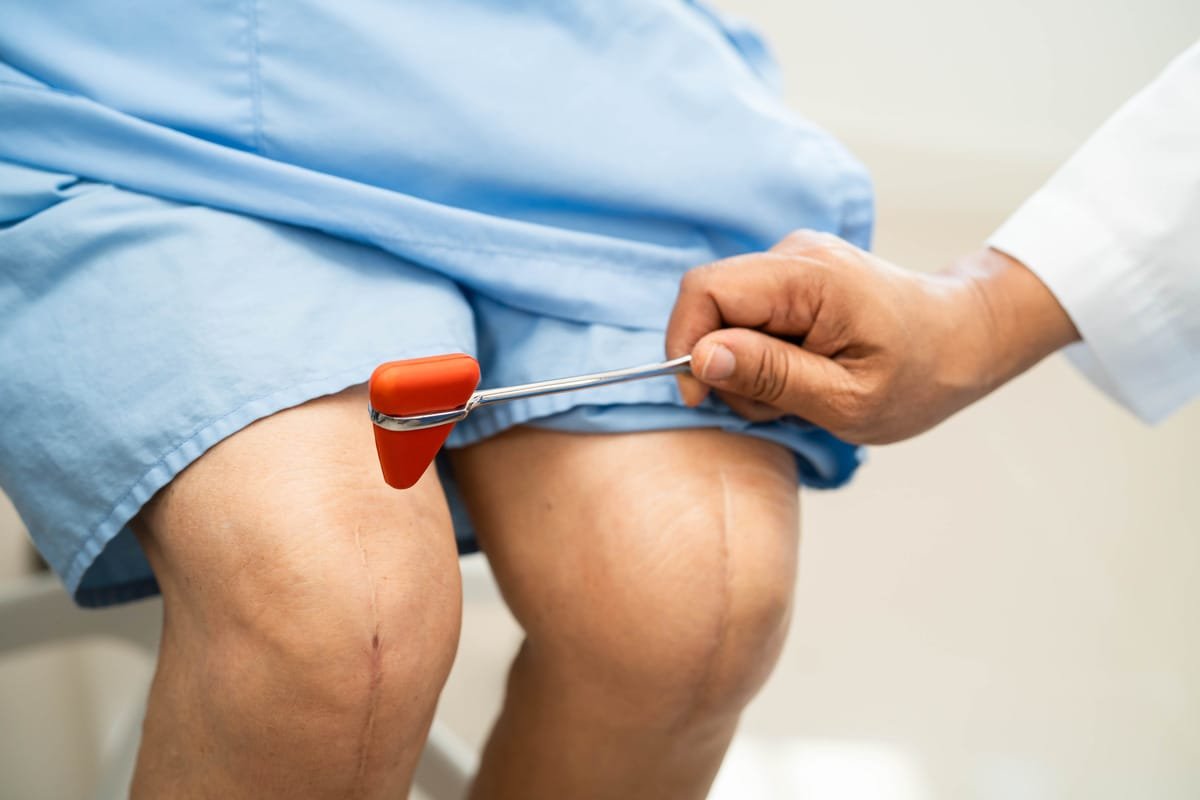
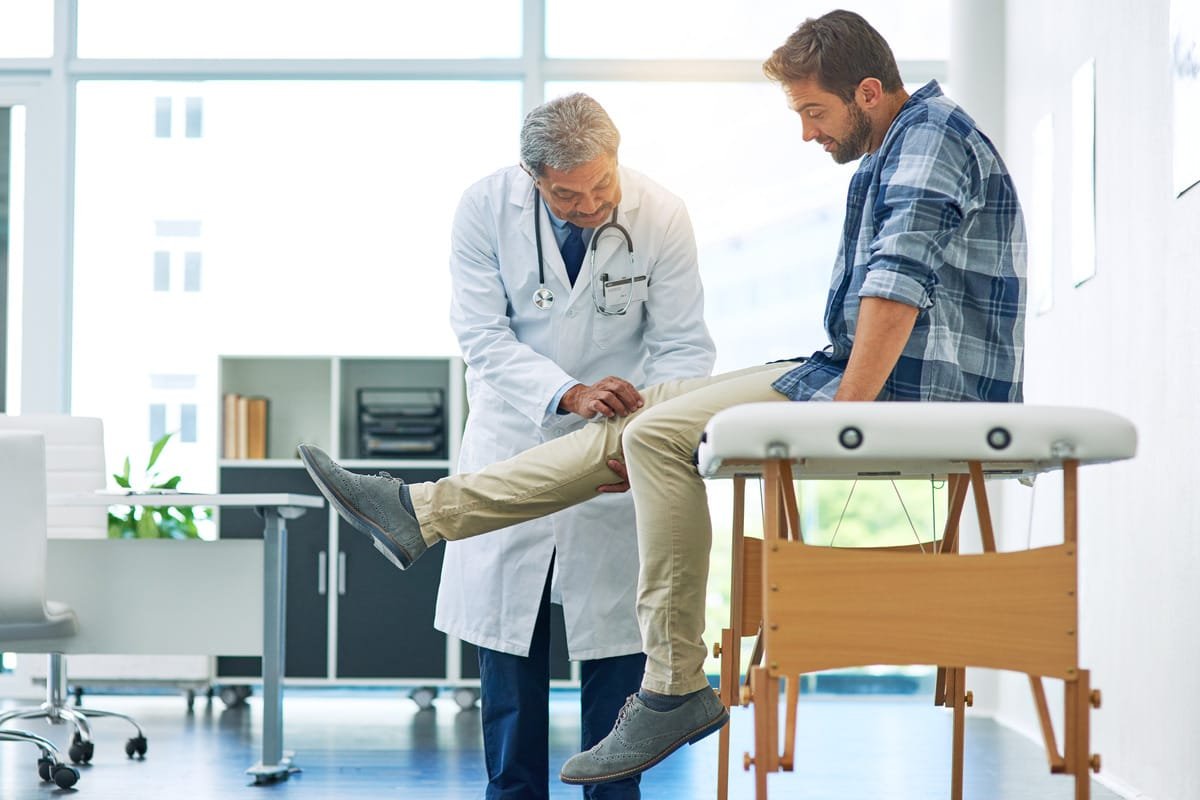
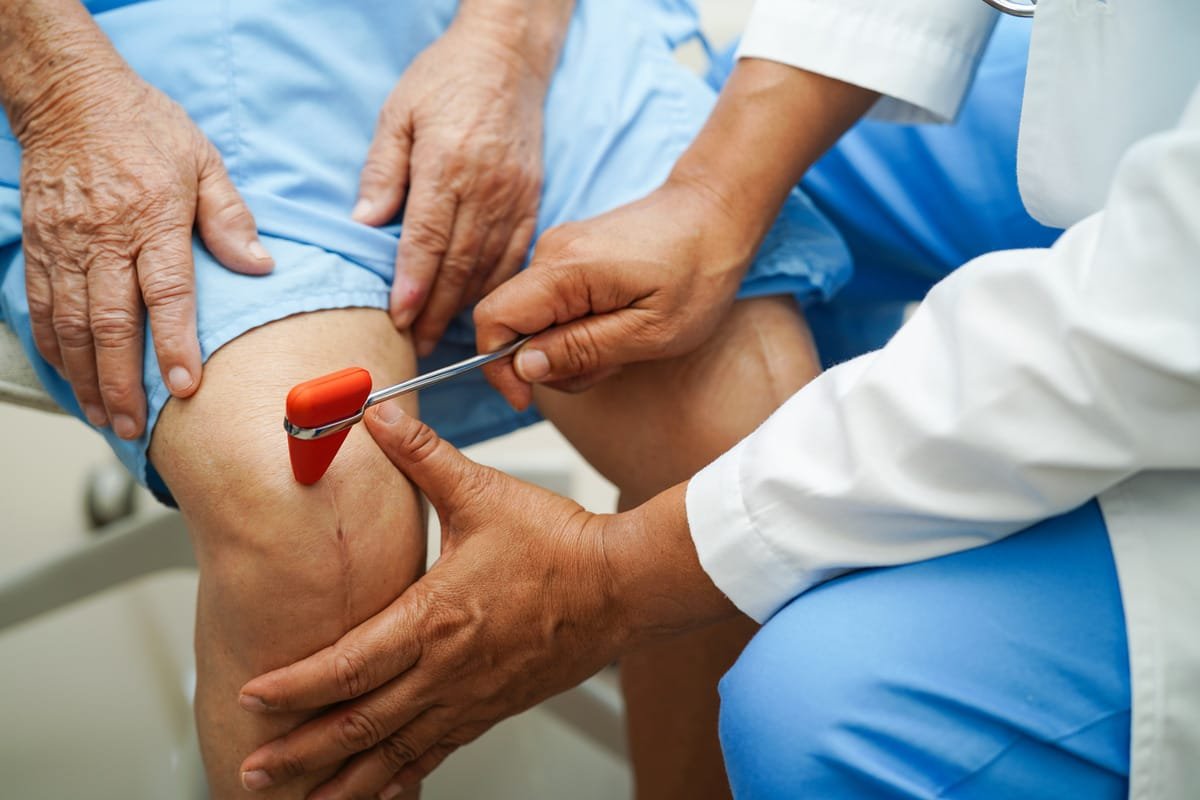
Tests like the Lachman Test, Anterior Drawer Test, and Pivot Shift Test help assess ligament stability.
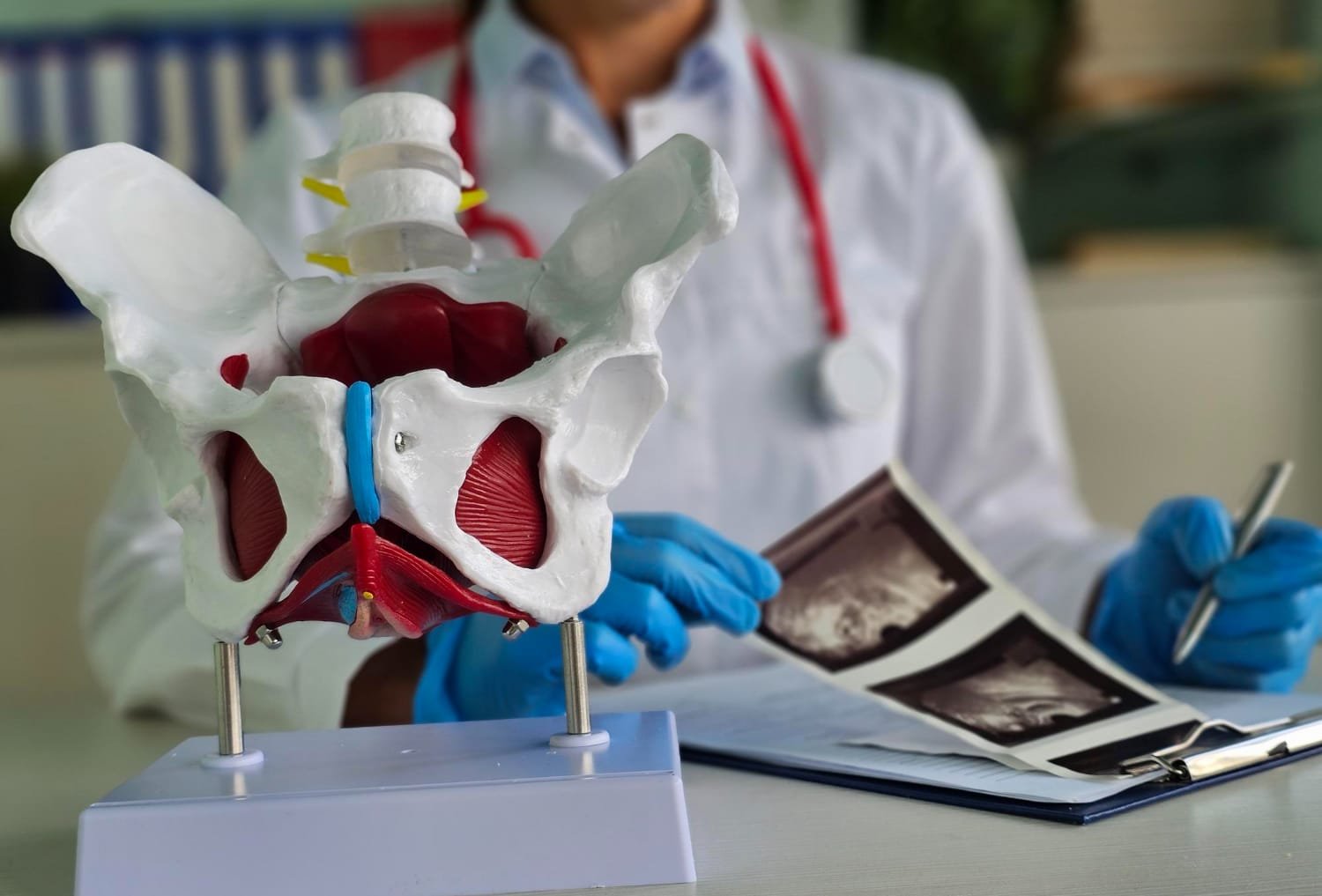
2. MRI Scan
MRI is the gold standard for diagnosing:
- ACL tear
- Meniscus injuries
- Cartilage damage
- Bone bruises
- Other ligament injuries
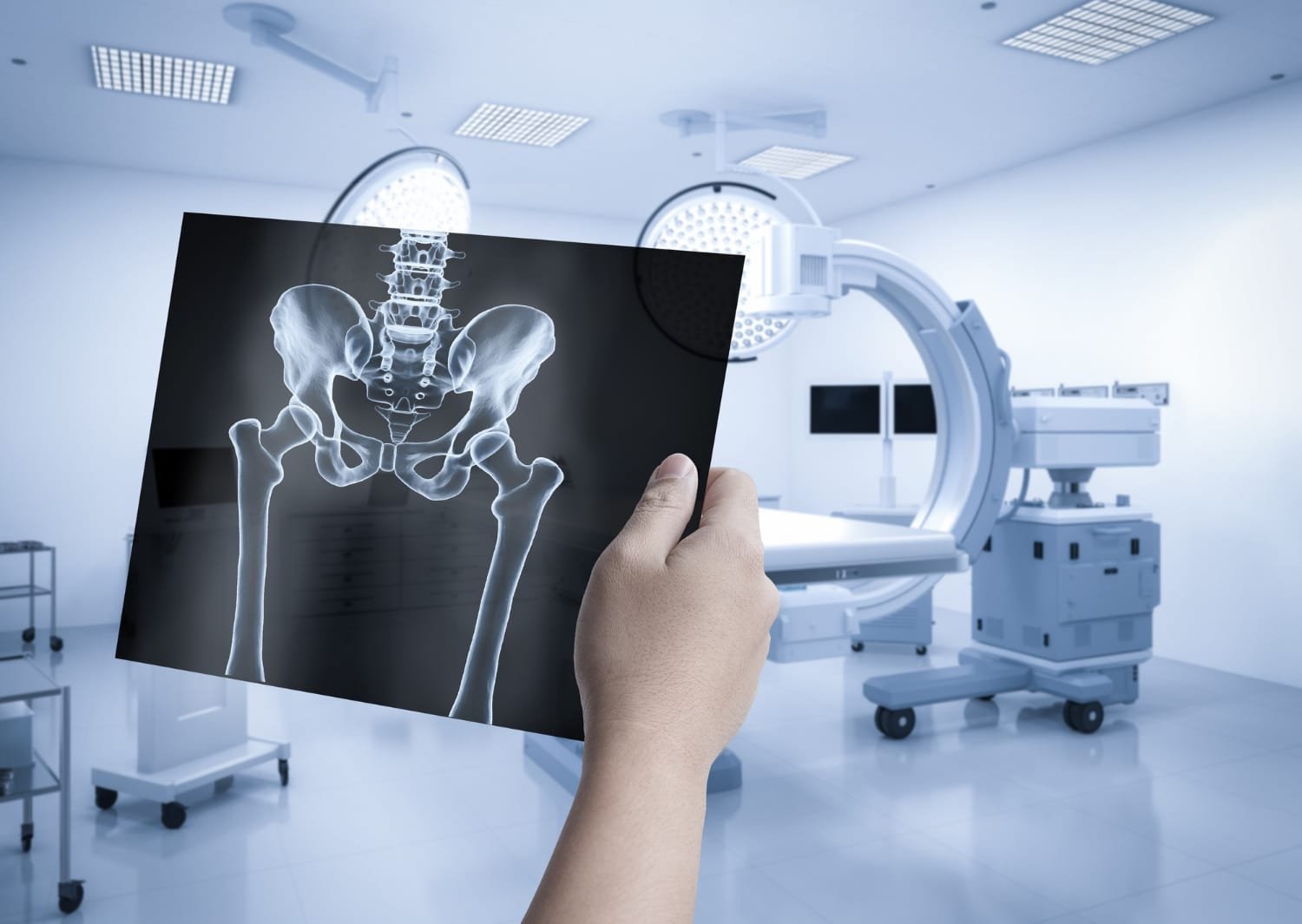
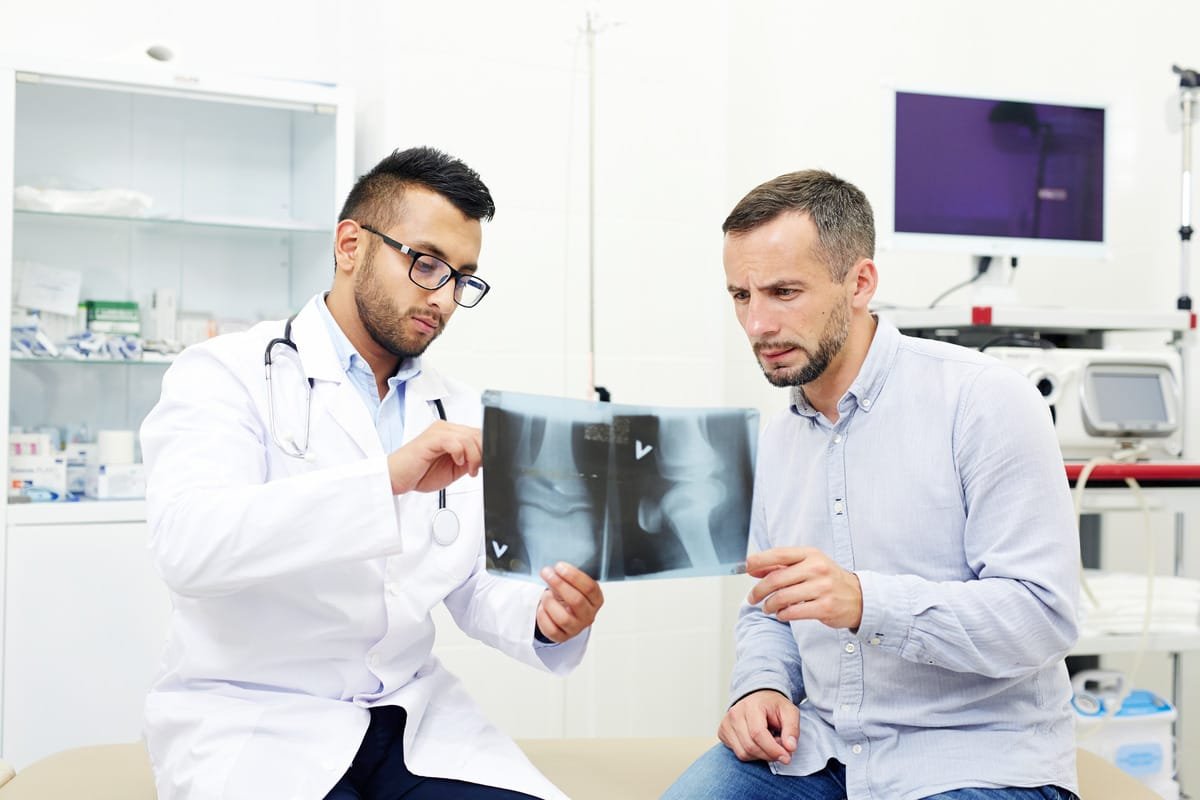
3. X-ray
Used to rule out fractures or bony injuries.
A timely diagnosis ensures that treatment can begin early, preventing long-term damage.
Treatment Options for ACL Tears
Treatment depends on several factors:
- Age
- Activity level
- Severity of the tear
- Associated injuries (meniscus, cartilage, MCL, PCL etc.)
- Future sports goals
Non-Surgical Treatment (Conservative Management)
Suitable for:
- Minor sprains
- Partial ACL tears
- Non-athletes
- Older adults
- Patients with low physical activity demand
Treatment Includes:
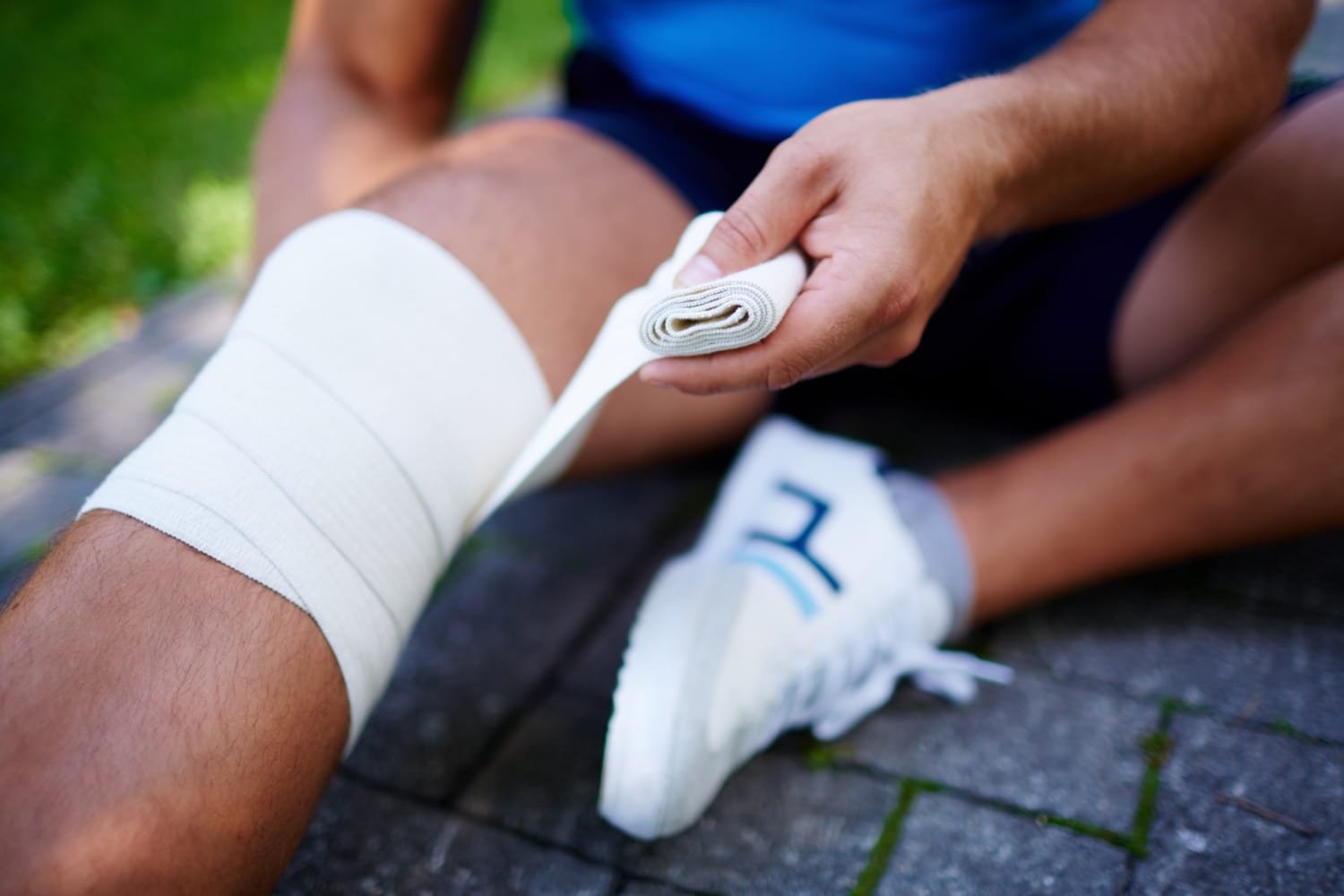
- RICE protocol (Rest, Ice, Compression, Elevation)
- Pain-relief medications
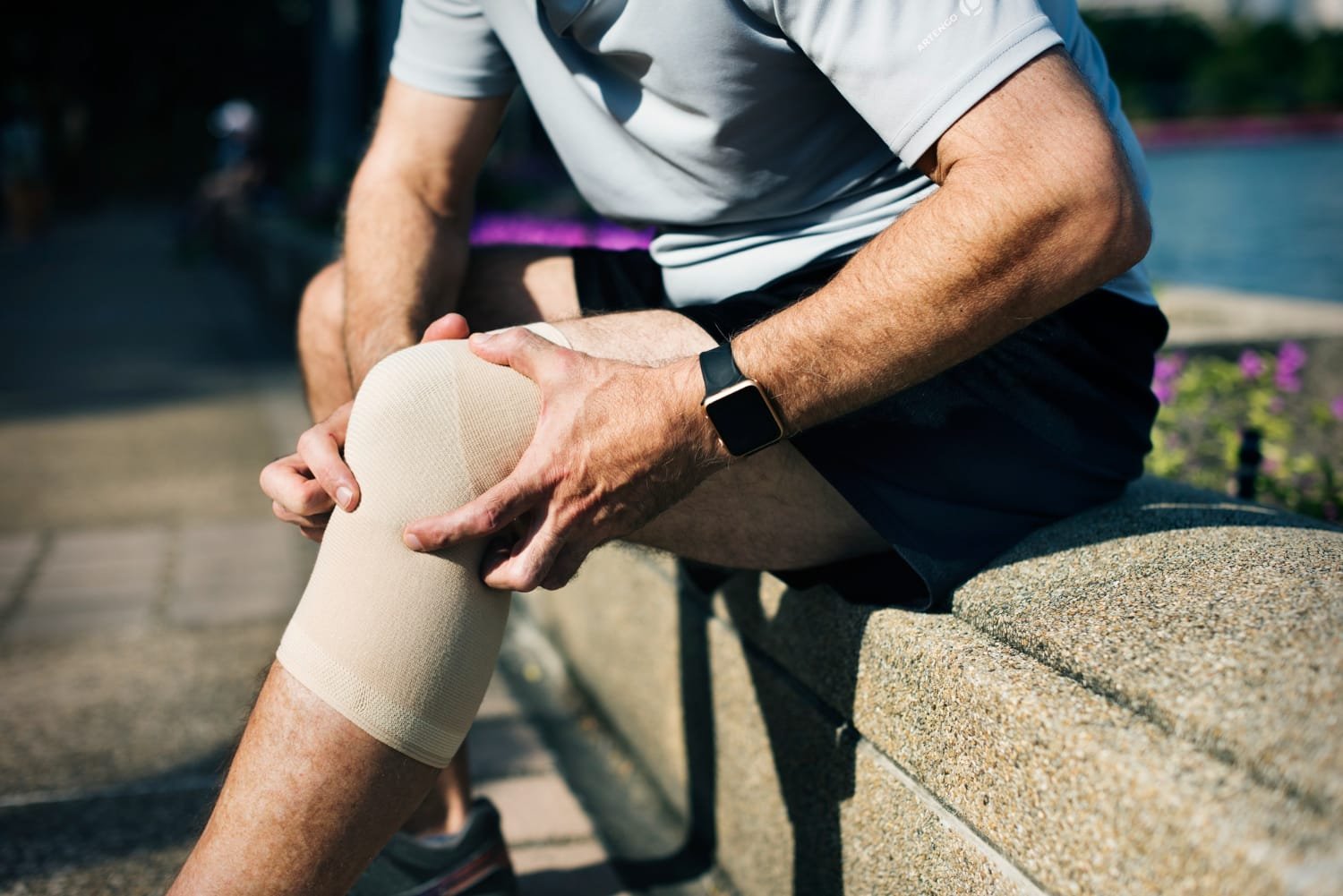
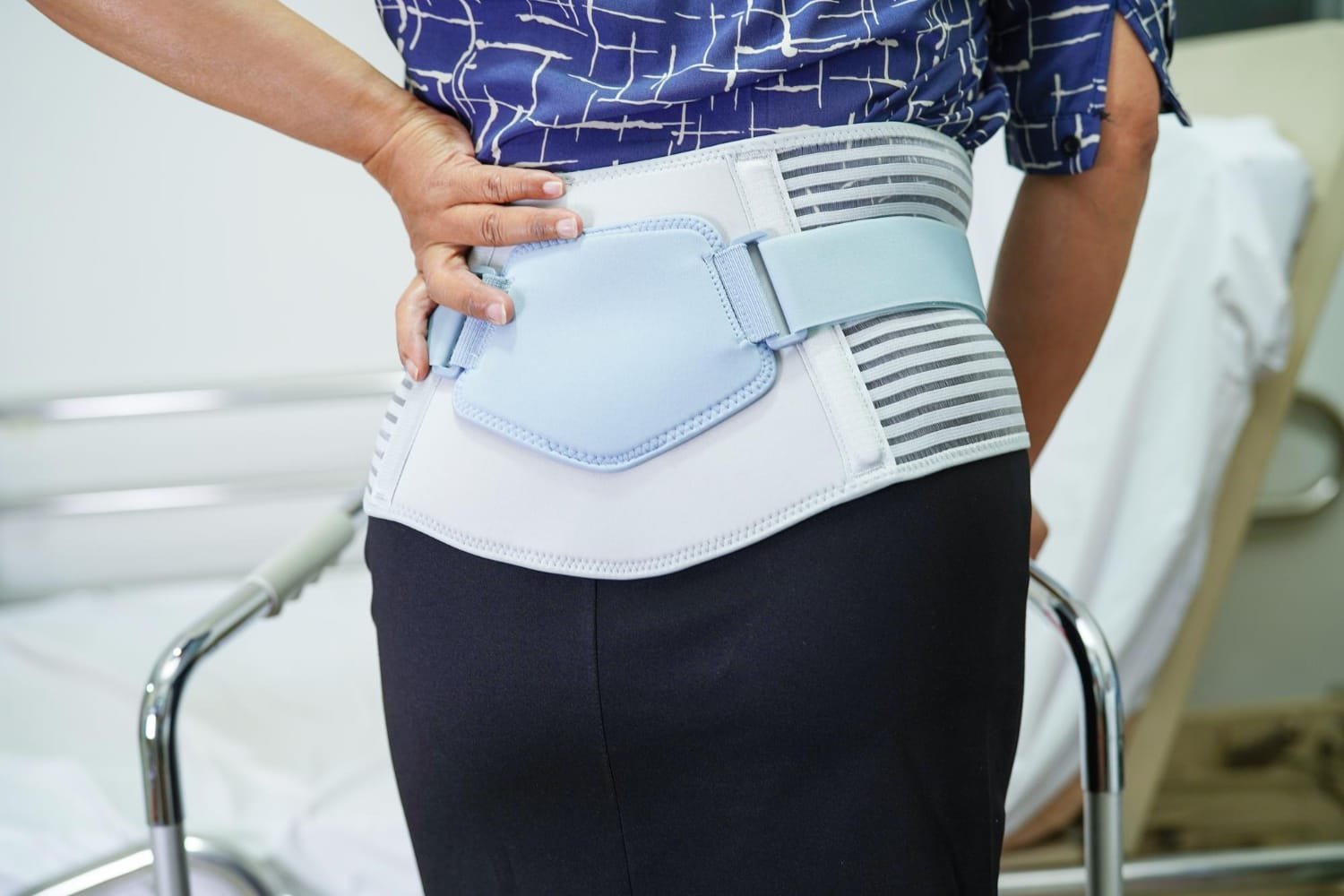
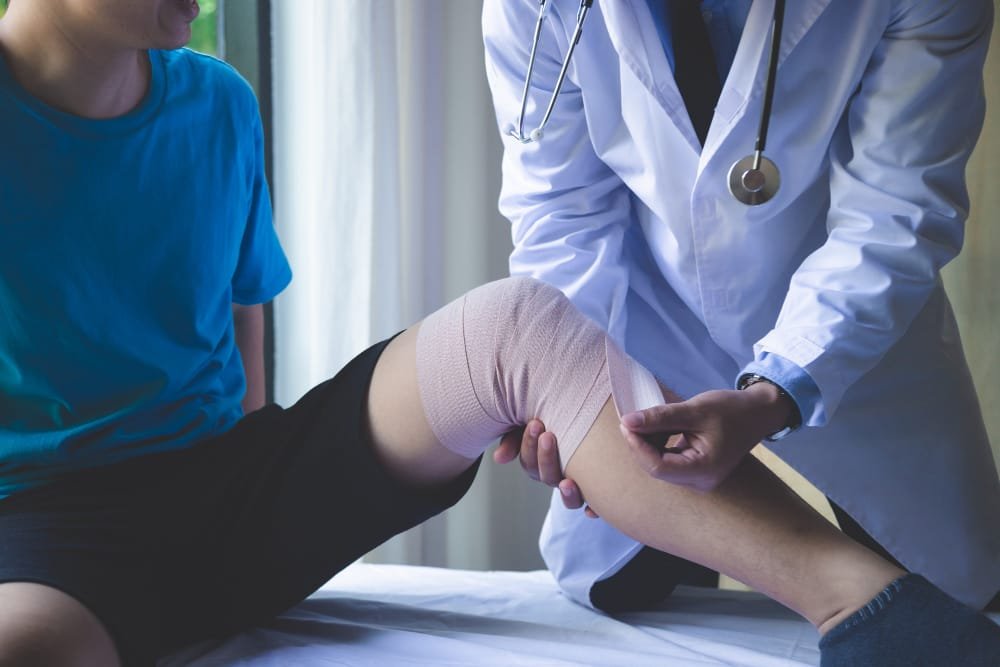
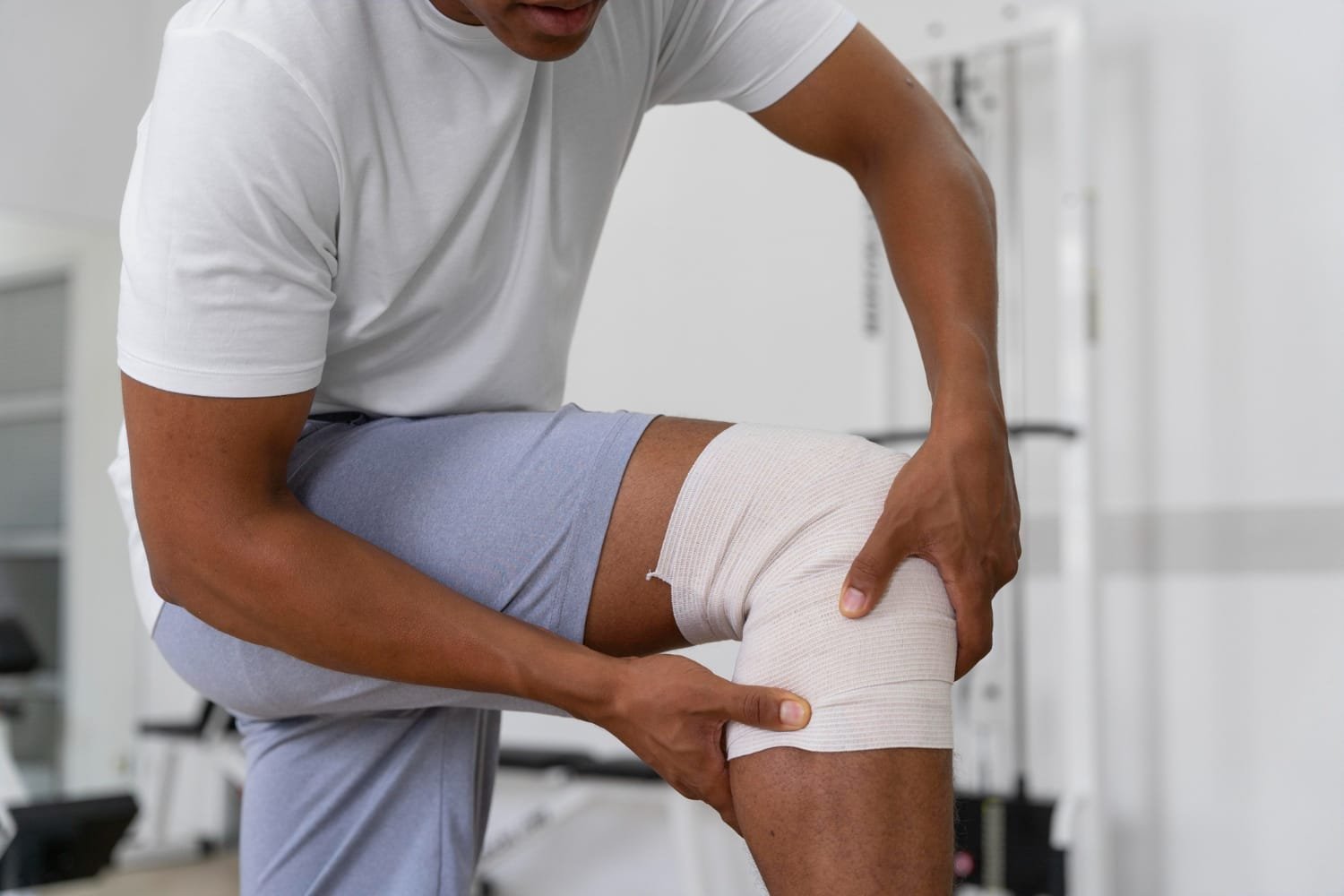
- Knee bracing
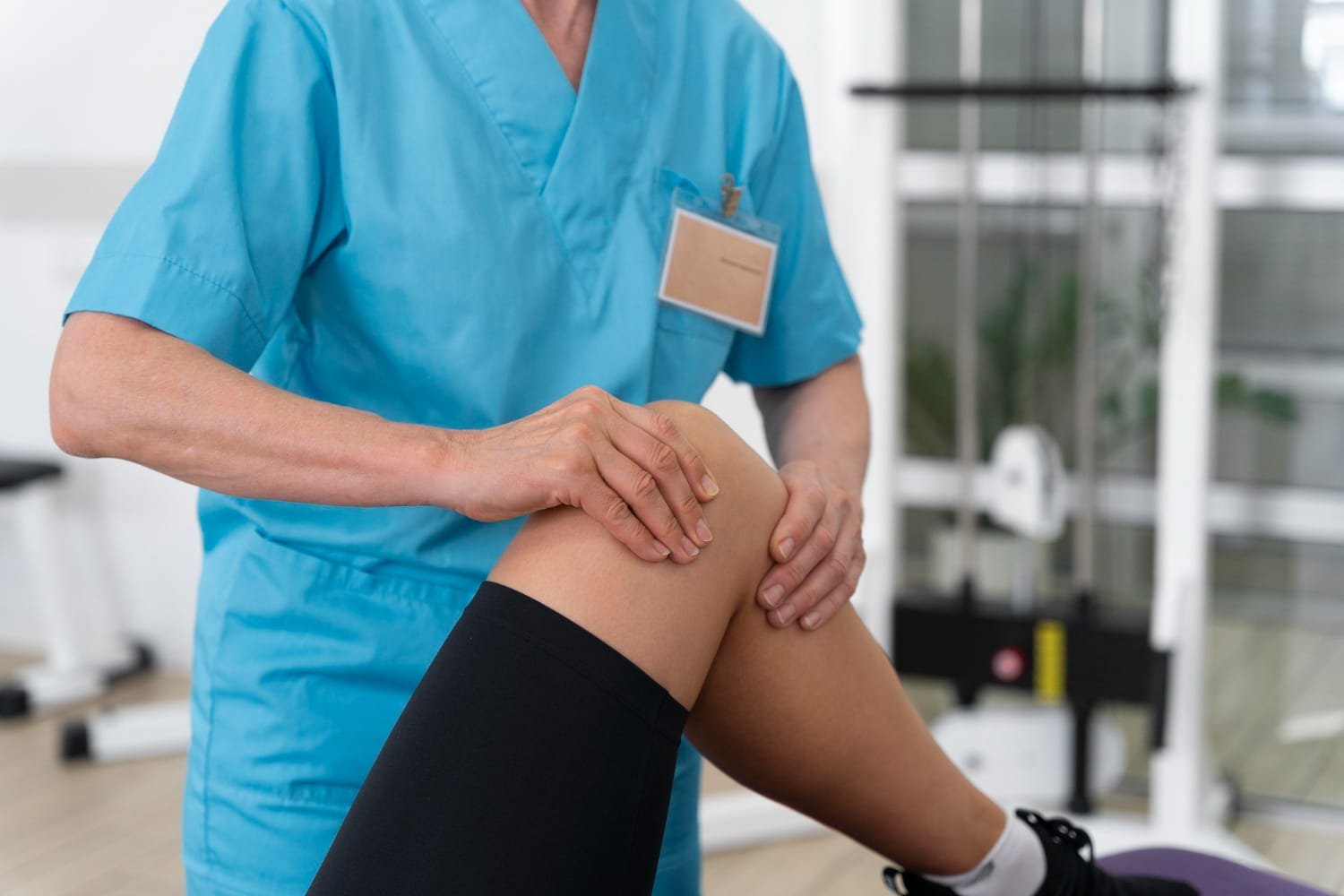
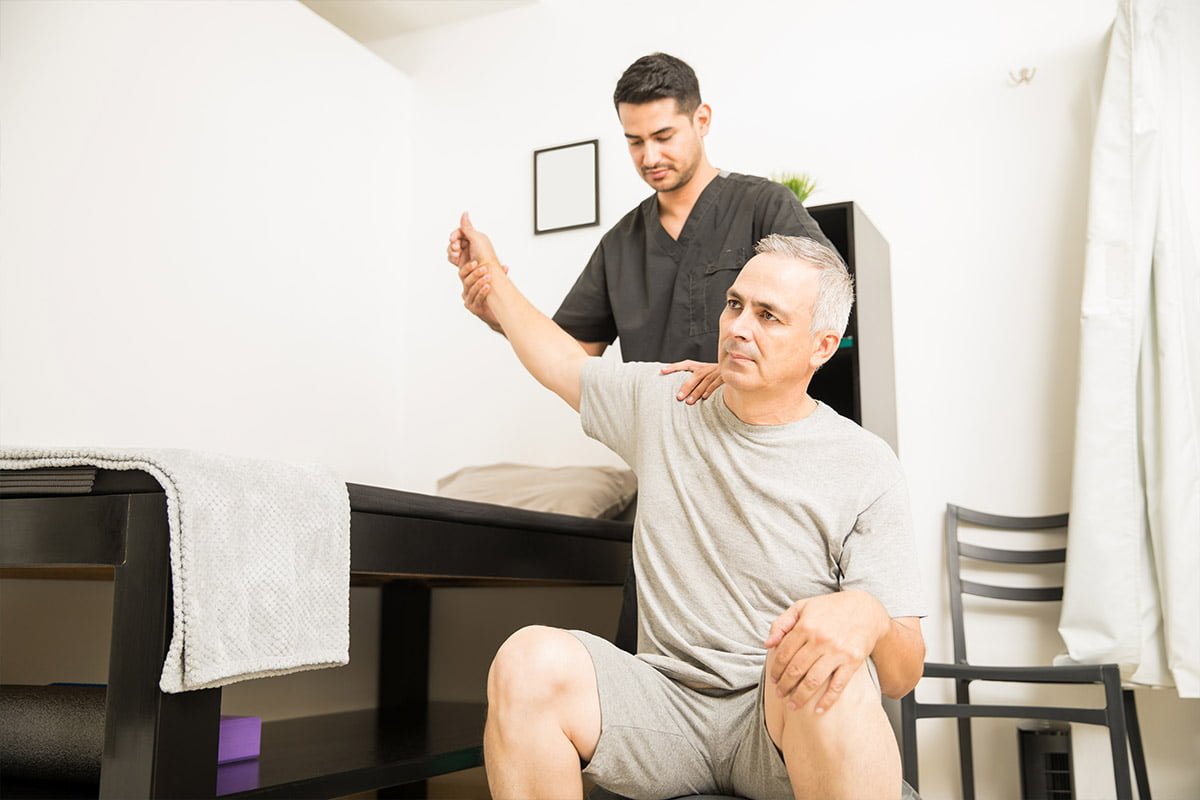
- Physiotherapy
- Strengthening and stability exercises
However, non-surgical treatment is rarely sufficient for athletes because a torn ACL does not heal on its own. Without proper reconstruction, athletes may struggle with knee instability and recurrent injuries.
Surgical Treatment: ACL Reconstruction Surgery
Who Needs ACL Surgery?
- Athletes
- Young active individuals
- Patients with knee instability
- People with combined injuries (ACL + meniscus tear)
- Patients planning to return to high-impact activities
What Is ACL Reconstruction?
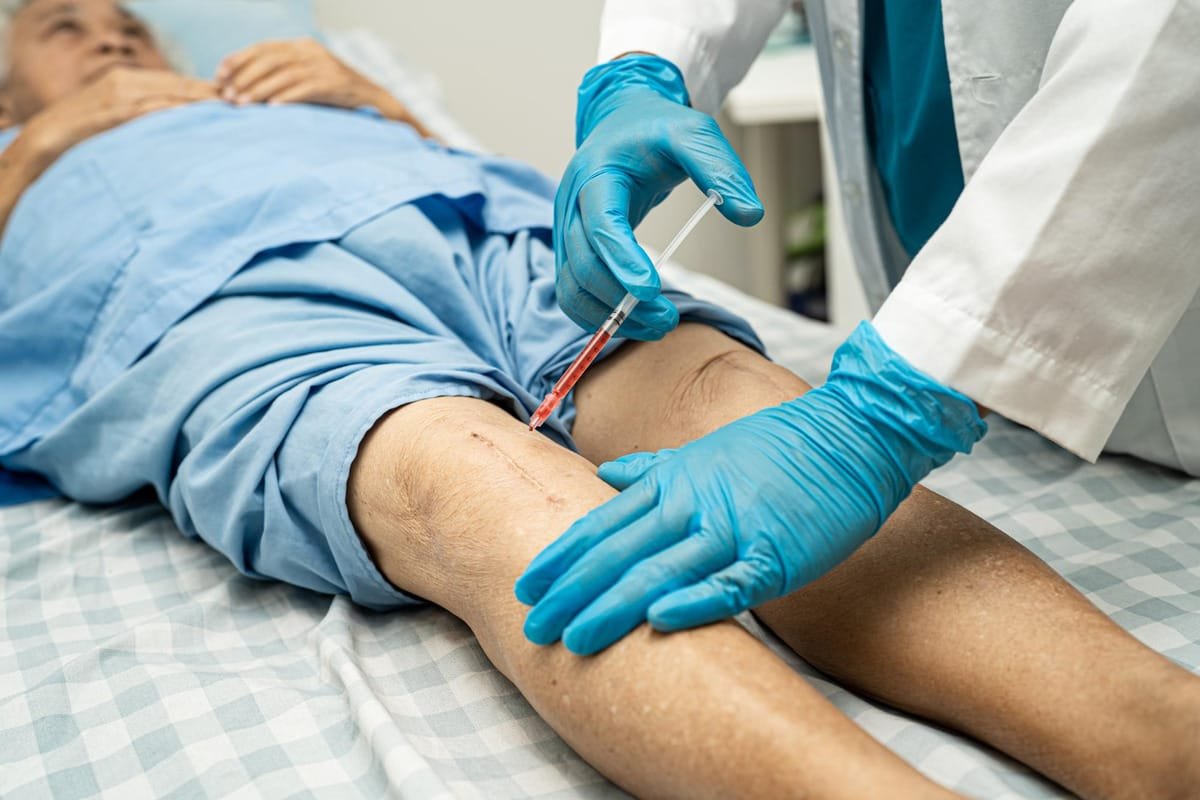
ACL reconstruction involves:
- Removing the torn ligament
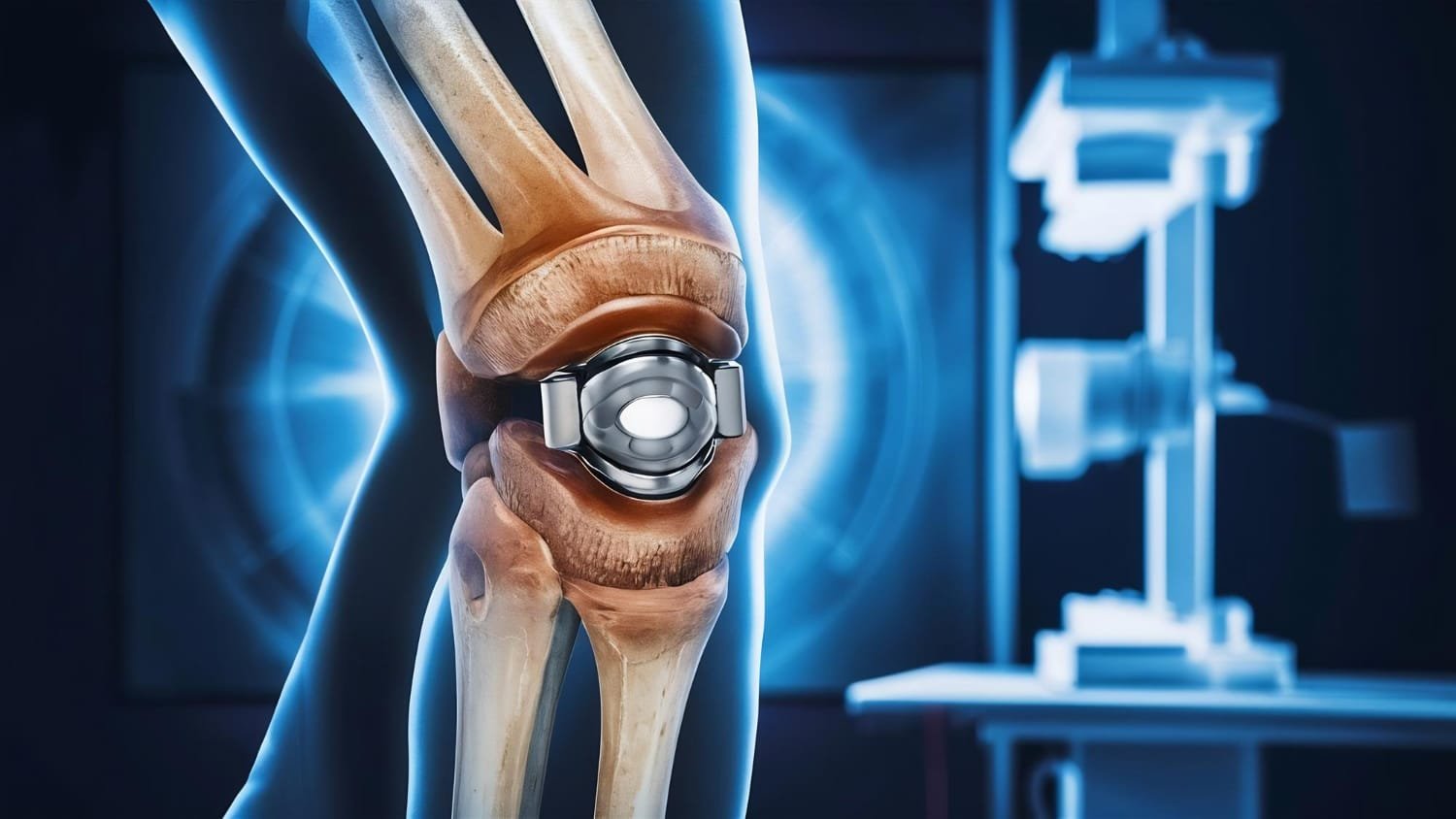
- Replacing it with a graft (new tissue)
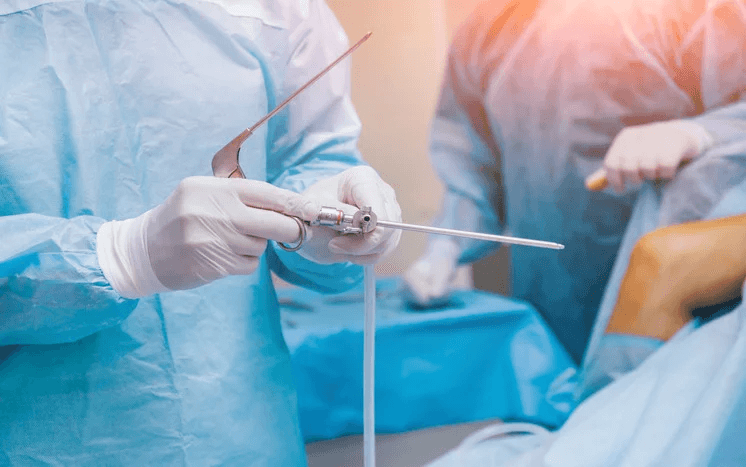
- Fixing the graft inside the knee using advanced arthroscopic techniques
Types of Grafts Used:
- Hamstring tendon graft
- Patellar tendon graft
- Quadriceps tendon graft
- Allograft (donor tissue)
The choice depends on the patient’s age, sport and knee anatomy.
Advantages of ACL Reconstruction Surgery:
- Restores knee stability
- Allows return to sports
- Prevents further meniscus and cartilage damage
- Reduces risk of early osteoarthritis
- Improves long-term knee function
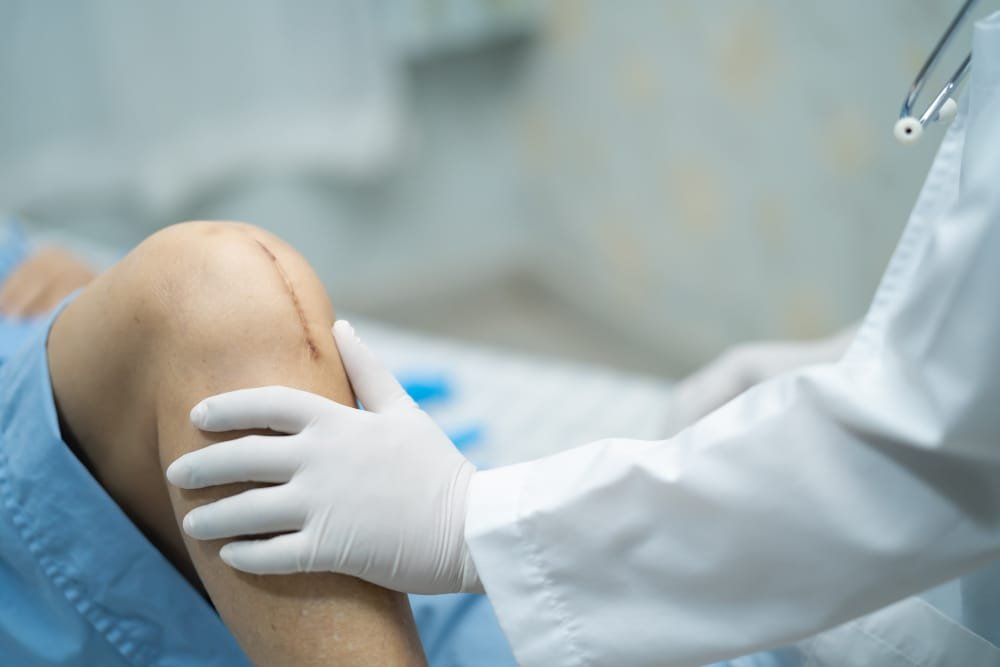
Modern arthroscopic ACL reconstruction ensures minimal pain, tiny incisions and faster recovery.
Recovery After ACL Surgery
Recovery requires patience, discipline and expert guidance. The typical recovery timeline includes:
Phase 1: First 2 Weeks
- Reduce swelling
- Control pain
- Start gentle mobility exercises
- Begin walking with support
Phase 2: 2–6 Weeks
- Achieve full knee bending and straightening
- Strengthen quadriceps and hamstrings
- Improve weight-bearing
Phase 3: 6–12 Weeks
- Start balance and stability training
- Increase muscle strength
- Begin low-impact cardio like cycling
Phase 4: 3–6 Months
- Intense strengthening
- Agility training
- Advanced physiotherapy
Phase 5: 6–9 Months
- Return to light sports
- Controlled running
- Sport-specific drills
Phase 6: 9–12 Months
- Full return to competitive sports
- Explosive movements and pivoting
Proper rehabilitation is crucial for complete recovery.
A structured physiotherapy program under a specialist ensures maximum stability and strength.
Returning to Sports After ACL Reconstruction
Most athletes return to their sport within 8–12 months, depending on:
- Graft healing
- Muscle strength
- Proper rehabilitation
- Sport-specific readiness
Athletes must clear functional tests before resuming competitive play to prevent reinjury.
Complications of Untreated ACL Tears
Ignoring an ACL injury can lead to:
- Repeated instability
- Meniscus tears
- Progressive cartilage wear
- Early osteoarthritis
- Chronic knee pain
- Loss of athletic performance
This is why early consultation with an expert is essential.
Why Choose Dr. Deepak Mishra for ACL Treatment in Faridabad?
For athletes and active individuals, choosing the right specialist can make all the difference. Dr. Deepak Mishra is widely recognized as:
- The Best ACL Treatment Specialist in Faridabad
- One of the Best Orthopedic Doctors in Faridabad
- A leading expert in knee injuries, arthroscopy and sports orthopedics
- Highly experienced in ACL reconstruction, meniscus repair and ligament surgeries
- Known for providing personalized treatment plans based on sports demands and patient goals
- Practicing at Asian Hospital, Faridabad
Patients trust him for his:
- Advanced arthroscopic techniques
- Excellent ligament reconstruction outcomes
- Athlete-focused rehabilitation protocols
- Clear guidance, compassionate approach and attention to detail
Appointment Contact: +91 8287334003
Conclusion
ACL tears are serious injuries that can significantly impact both athletic performance and daily life. With proper diagnosis, timely treatment and expert surgical care, athletes can return to sports confidently and safely.
If you’re experiencing knee pain, instability or have suffered a sports injury, consulting a specialist like Dr. Deepak Mishra ensures precise treatment and a smooth recovery path. As the best ACL treatment specialist and orthopedic doctor in Faridabad, he provides comprehensive care for athletes and active individuals seeking long-term knee health and superior surgical outcomes.
Recent Blogs
-
 ACL Tears in Athletes: Symptoms, Treatment Options & Recovery
- 19, November 2025
-
Sports Injuries That Often Lead to Knee Replacement
- 19, November 2025
-
Orthopedic Care for Elderly Patients — A Complete Guide
- 12, November 2025
-
 How Long Do Knee Implants Last? (10–20 Year Longevity Guide)
- 12, November 2025
-
 Importance of Early Diagnosis in Bone and Joint Problems
- 28, October 2025
-
Best Treatment Options for Sports Injuries
- 28, October 2025
-
 The Difference Between ACL Tear, Sprain, and Rupture
- 16, October 2025
-
 Post-ACL Surgery Do’s and Don’ts
- 16, October 2025
-
Early Signs You Might Have an ACL Injury (and When to See a Doctor)
- 16, October 2025
-
Does Insurance Cover Robotic Knee Replacement Surgery?
- 6, October 2025
-
When Can You Return to Sports After Robotic Knee Replacement?
- 6, October 2025
-
 Impact of Obesity on Knee Replacement Surgery and Recovery
- 30, September 2025
-
Early vs. Delayed Knee Replacement: Which Is Better?
- 30, September 2025
-
How Durable Are Knee Implants? A Complete Guide
- 24, September 2025
-
Can You Play Sports After Knee Replacement Surgery?
- 24, September 2025
-
 Key Benefits of Revision Hip Replacement You Should Know
- 15, September 2025
-
Revision Hip Replacement vs. Primary Hip Replacement: Key Differences
- 15, September 2025
-

-
Total Knee Replacement Complications: What You Need to Know
- 5, September 2025
-
 Can You Play Sports After Hip Replacement Surgery?
- 26, August 2025
-
 Preparing for Knee Replacement: Do’s and Don’ts Before Surgery
- 26, August 2025
-
-
What to Know About Knee Replacement Revision Surgery
- 18, August 2025
-
Cost of Hip Replacement in India – What Patients Should Know
- 11, August 2025
-
-
Who Is the Best Orthopedic Doctor for Sports Injuries?
- 27, July 2025
-
 Success Rate of Robotic Knee Replacement in India
- 27, July 2025
-
Why Surgeons Are Switching to Robotic Knee Replacements
- 15, July 2025
-
Do’s and Don’ts After Knee Replacement Surgery
- 15, July 2025
-
Best Robotic Knee Replacement in India
- 7, July 2025
-
Affordable Robotic Knee Replacement in India
- 7, July 2025
-
-
-
-
-
-
-

-
 Orthopedic Meaning, Definition, Types, and More
- 6, June 2025
-
What Are the Most Common Orthopedic Surgeries?
- 24, May 2025
-
What Does an Orthopedic Doctor Do?
- 24, May 2025
-

-
-
-
Best Orthopedic Doctor for Knee Pain in Faridabad
- 12, May 2025
-
How to Prevent Knee Pain with Orthopedic Expert Tips
- 29, April 2025
-
-
Best Orthopedic Treatment in Faridabad: What You Should Know
- 29, April 2025
-

-

-
Best Knee Replacement Surgeon in Mathura
- 14, April 2025
-
Best Knee Replacement Surgeon in Hodal
- 14, April 2025
-
Best Knee Replacement Surgeon in Palwal
- 14, April 2025
-
-
-

-
Benefits of Minimally Invasive Knee Surgery
- 24, March 2025
-
Types of Knee Implants
- 17, March 2025
-
Best knee Replacement Surgeon in India
- 17, March 2025
-
-
How to Recover Quickly After Knee Replacement Surgery
- 10, March 2025
-
-
-
-
Minimally Invasive Arthroplasty: Benefits and Recovery Advantages
- 24, February 2025
-
Common Mistakes to Avoid After Joint Replacement Surgery
- 24, February 2025
-
Choosing the Right Hip Replacement Surgeon: A Comprehensive Guide
- 17, February 2025
-
Restoring Mobility: The Role of Knee Replacement Doctors
- 17, February 2025
-
Orthopedic Trauma Care for Athletes
- 6, February 2025
-
Best Doctor for ACL Tear Treatment
- 6, February 2025
-
Best Sports Medicine Doctor for Knee Injuries
- 6, February 2025
-
Orthopedic Surgeons: 7 Things You Need to Know
- 27, January 2025
-
Best Joint Replacement Surgeon in Greater Faridabad
- 27, January 2025
-
Best Knee Replacement Surgeon in Palwal
- 20, January 2025
-
Best Knee Replacement Surgeon in South Delhi
- 20, January 2025
-
Signs You May Need a Knee Replacement: Insights from a Surgeon
- 13, January 2025
-
Restoring Mobility: The Role of Knee Replacement Doctor
- 13, January 2025
-
Robotic Knee Replacement Surgery in Delhi
- 30, December 2024
-
Robotic Orthopedic Surgery: Revolutionizing Joint Replacement and Repair
- 30, December 2024
-
Robotic Knee Replacement vs. Traditional Surgery: A Comparative Guide
- 23, December 2024
-
How to Make Joints Stronger: A Comprehensive Guide
- 23, December 2024
-
Common Knee Conditions and How a Knee Surgeon Can Help
- 16, December 2024
-
-
-
Orthopedic Surgeons: 7 Things You Need to Know
- 6, December 2024
-
Top 5 Mistakes After Knee Replacement
- 25, November 2024
-
Advantages and Disadvantages of Robotic Knee Replacement
- 25, November 2024
-
When to See an Orthopedic Specialist: Recognizing Early Signs
- 15, November 2024
-
Benefits of Robotic-Assisted Knee Replacement Surgery
- 15, November 2024
-
Knee Replacement Surgery Cost
- 8, November 2024
-
Best Robotic Knee Replacement Surgeon in Faridabad
- 8, November 2024
-
-
Knee Replacement Surgery: Types, Benefits, and Recovery Timeline
- 28, October 2024
-
What is Osteoporosis? Symptoms, Causes, and Prevention
- 21, October 2024
-
Signs It’s Time for a Knee Replacement: When to Consult a Surgeon
- 18, October 2024
-
Understanding Different Types of Arthritis: Symptoms and Causes
- 11, October 2024
-
Taking Care After Knee Replacement Surgery
- 15, December 2022
-
Amazing Ways to Get Relief from Arthritis Pain Naturally
- 2, December 2022
-
-
How Does Fat Affect Arthritis?
- 4, November 2022